unity government chance appears bleak as a senior Eisenkot bloc official expresses doubts following the Prime Minister’s alleged coup attempt. The political landscape is shifting dramatically in Israel.
Current political climate in Israel
The current political climate in Israel is marked by significant tension and uncertainty following recent events. A senior official from the Eisenkot bloc has publicly expressed skepticism regarding the prospects of a unity government, particularly in light of the Prime Minister’s controversial actions, which have been described by some as an “attempted coup.” This statement has intensified the already heated debates surrounding political stability and governance in the country.
As the nation grapples with ongoing challenges, including security issues and economic concerns, the potential for a coalition that bridges ideological divides seems increasingly remote. The official’s remarks highlight a growing sentiment among political analysts and citizens alike that the path to a unity government is fraught with obstacles.
Key factors influencing this bleak outlook include:
- Deepening divisions within the political landscape, with parties becoming more entrenched in their positions.
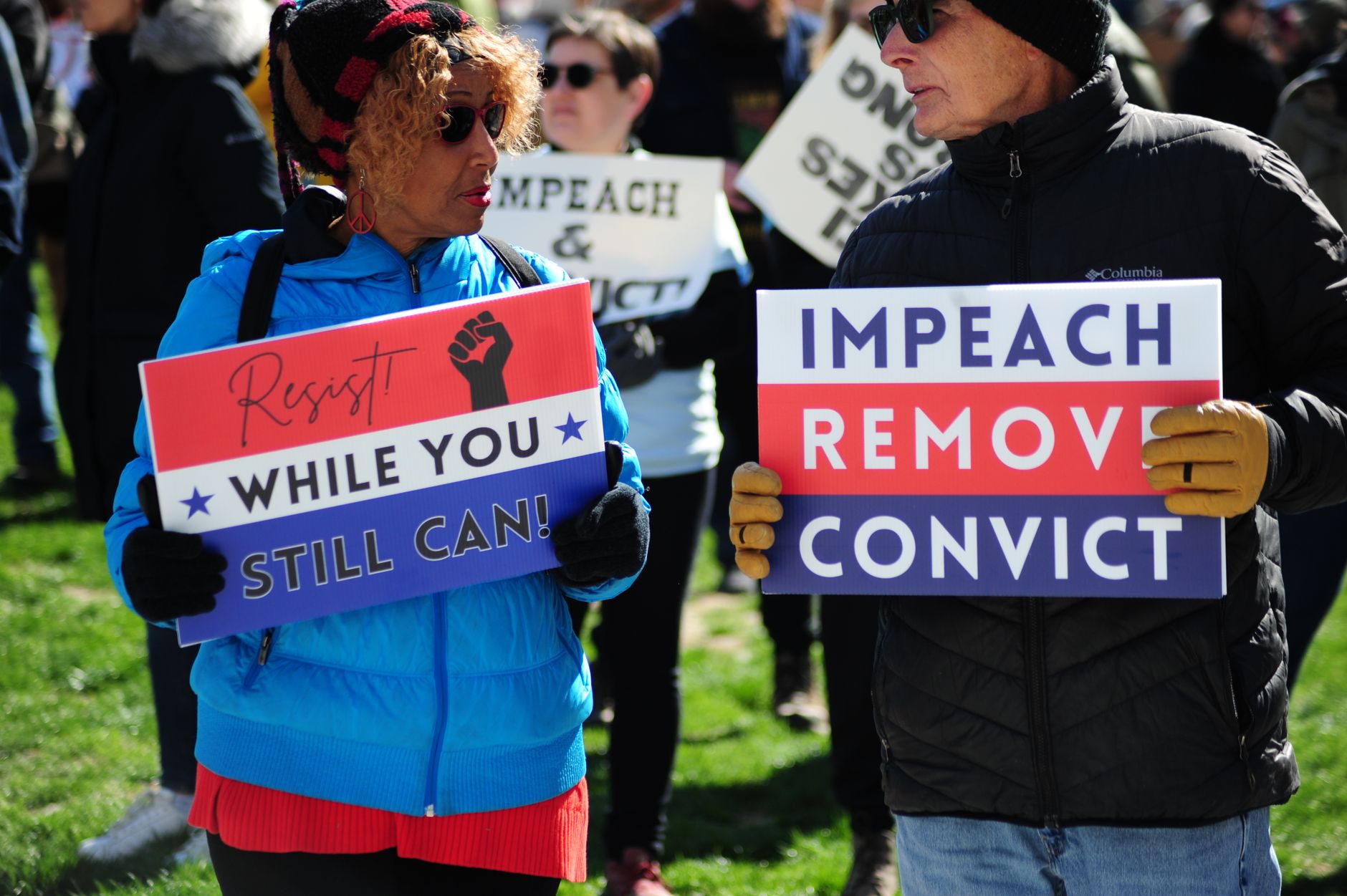
- Public unrest and protests, reflecting widespread dissatisfaction with the current administration.
- Concerns over the effectiveness of governance amid looming crises, further complicating coalition talks.
As discussions continue, the idea of a unity government remains a topic of speculation, with many questioning whether it can realistically be achieved under the present circumstances. The Eisenkot bloc’s official stance underscores the challenges that lie ahead for Israeli politics.
Reactions to the Prime Minister’s actions
Following a tumultuous week in Israeli politics, reactions to the Prime Minister’s recent actions have been swift and varied. A senior official from the Eisenkot bloc has openly criticized the Prime Minister, stating that there is currently “no chance for a unity government” in light of what they described as an “attempted coup.” This strong language reflects the growing frustration among opposition leaders regarding the Prime Minister’s maneuvering.
Many political analysts are weighing in on the situation. Some believe that the Prime Minister’s decisions may further alienate potential allies, making the prospect of a unity government even more distant. Others argue that the ongoing tensions could push moderate factions to reconsider their positions. Key points from these discussions include:
- Escalating tensions: The political climate has become increasingly polarized, making collaboration seem unlikely.
- Public sentiment: Many citizens are expressing discontent with the current leadership, which may impact future negotiations.
- Opposition unity: The Eisenkot bloc is calling for a unified front against the Prime Minister’s actions, potentially solidifying their stance.
As the political landscape shifts, the potential for a unity government remains uncertain. Observers are keenly watching how these developments will unfold in the coming weeks, especially with the opposition rallying their forces in response to the Prime Minister’s controversial moves.
What is a unity government?
A unity government is a coalition formed by multiple political parties that typically includes opposing factions, aimed at fostering cooperation and stability during times of crisis or political deadlock. In Israel, the concept has gained attention as the nation faces significant political challenges. The idea is to bring together diverse perspectives to create a more inclusive governance model, which can help bridge the divides that often polarize political discourse.
A unity government often prioritizes national interests over partisan agendas, allowing for a more unified approach to pressing issues such as security, economy, and social welfare. This form of governance can be particularly important in times of heightened political tension, where a fractured legislature may struggle to enact crucial legislation.
However, forming a unity government can be fraught with difficulties. Disparate parties may have conflicting ideologies, which can lead to compromises that dilute policy effectiveness. The challenge lies in balancing differing priorities while maintaining a cohesive strategy that garners the support of the majority.
In the current political climate, discussions surrounding the potential for a unity government chance are critical, especially following recent events that have shaken public trust in leadership. As a senior Eisenkot bloc official pointed out, the path to establishing such a coalition may be hindered by recent actions perceived as undermining democratic principles.
Implications for future elections
The recent statements from a senior official within the Eisenkot bloc have raised crucial questions about the implications of a unity government chance for future elections in Israel. As the political landscape continues to shift, many analysts are pondering how the current turmoil will affect voter sentiments and party dynamics.
According to the official, the Prime Minister’s recent actions, described as an “attempted coup,” have significantly diminished the prospects for collaboration across party lines. This sentiment echoes concerns among various factions, which fear that the erosion of democratic norms could lead to increased polarization among voters.
Some key implications for future elections include:
- Increased Fragmentation: If the political climate remains hostile, more voters may gravitate toward smaller, more radical parties, further fragmenting the electoral landscape.
- Shift in Voter Alignment: Traditional party loyalties may weaken, as disillusioned constituents look for alternatives to the mainstream parties that fail to unite.
- Potential for Low Turnout: A lack of faith in the political process could discourage voter participation, impacting the legitimacy of the election outcomes.
Ultimately, the prospect of a unity government chance may hinge on the ability of political leaders to restore public trust and demonstrate a commitment to democratic principles. Without significant changes, the road ahead could remain fraught with challenges.
Public opinion on government stability
The current political atmosphere in Israel has led to a significant divide in public opinion regarding the stability of the government. Many citizens express skepticism about the possibility of a unity government, especially following recent events that have raised concerns about the Prime Minister’s intentions.
Polls indicate that a substantial portion of the population doubts the feasibility of a coalition that includes factions from across the political spectrum. This uncertainty is fueled by recent comments from a senior Eisenkot bloc official, who suggested that the Prime Minister’s actions could be perceived as an “attempted coup,” further exacerbating distrust among various political groups.
As citizens grapple with the implications of these developments, several key factors influence their perspectives:
- Trust in Leadership: Many voters are questioning the integrity of their leaders, which makes them hesitant to support a unity government.
- Political Polarization: The sharp divisions between different parties contribute to a growing sense that collaboration may be impossible.
- Public Sentiment: A significant number of people feel disillusioned with the political process, leading to calls for more transparent governance.
Ultimately, the outlook for a unity government remains bleak as public sentiment continues to shift, with many wondering if true collaboration can ever be achieved in this contentious environment.
Eisenkot bloc’s position on unity
A senior official from the Eisenkot bloc has expressed skepticism regarding the possibility of a unity government in the current political climate. In a recent statement, the official highlighted the challenges facing any potential coalition, particularly following what they described as the Prime Minister’s “attempted coup.”
The official outlined several key reasons for their stance:
- Lack of Trust: Trust between political factions has significantly eroded, making collaboration difficult.
- Policy Differences: Fundamental disagreements on critical issues persist, hindering any attempts at a consensus.
- Public Sentiment: The growing divide among the electorate complicates the prospects for a united front.
The Eisenkot bloc official further noted that while the idea of a unity government could theoretically stabilize governance, the current circumstances render such an outcome unlikely. They emphasized that the Prime Minister’s recent actions have deepened divisions rather than fostering dialogue.
Moreover, the official called for a reevaluation of political strategies, advocating for greater transparency and accountability among leaders. They urged political parties to prioritize the nation’s interests over individual ambitions, asserting that only through genuine collaboration can the fractured political landscape begin to heal.
As discussions continue, the prospect of a unity government remains a contentious topic, with many questioning whether a viable solution will emerge in the near future.
The senior Eisenkot bloc official emphasized that the current political climate presents a unique unity government chance. He urged all parties to consider the potential benefits of seizing this unity government chance for the nation’s stability.
Photo by Mathias Reding on Pexels