
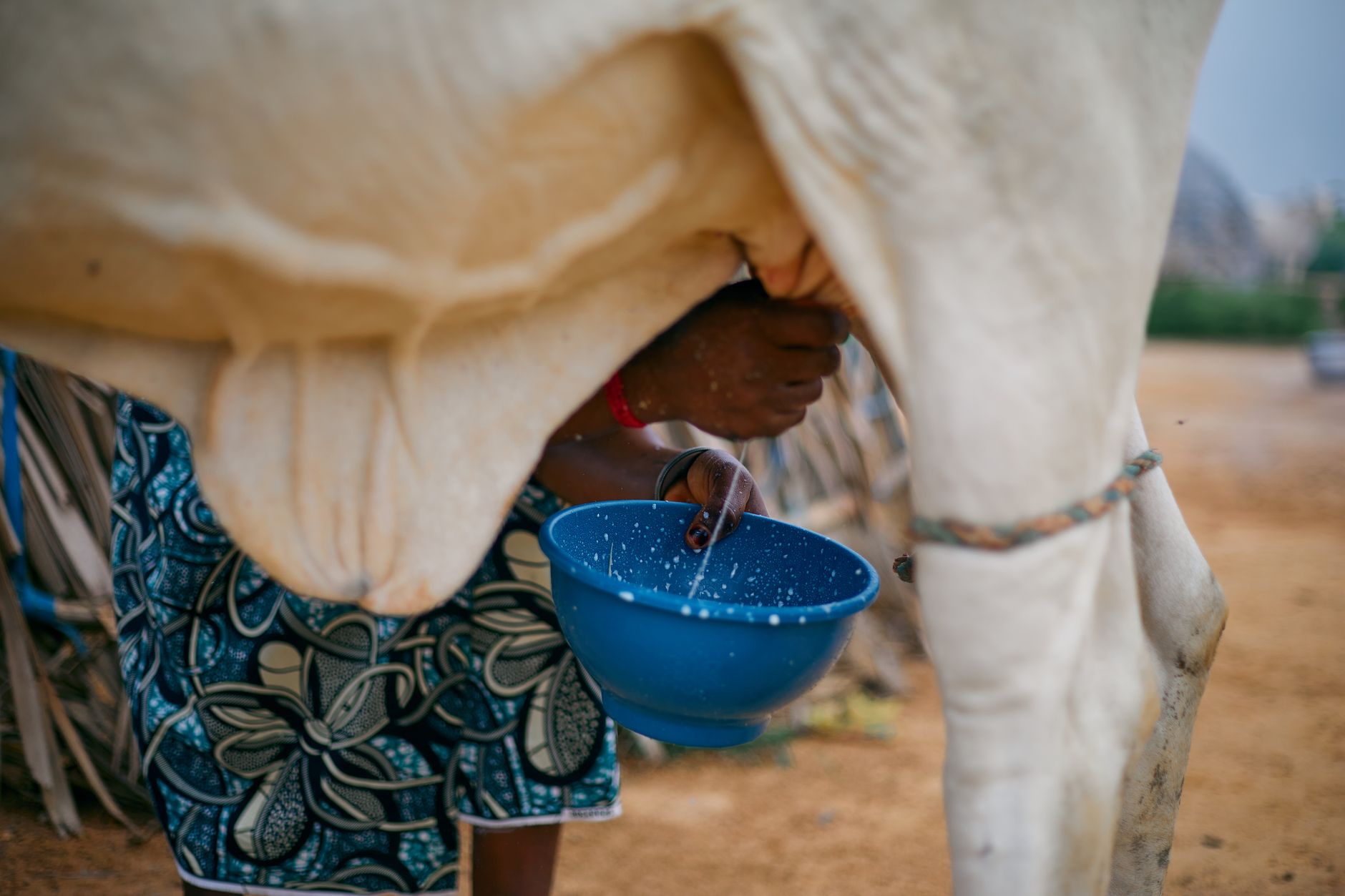
Milk procurement shortfall is affecting Aavin, which is currently facing a daily deficit of roughly 1 million litres. This shortfall poses significant challenges for the dairy cooperative.
Overview of Aavin’s Procurement Challenges
Aavin, the dairy cooperative renowned for its quality products, is currently grappling with significant procurement challenges. The organization has reported a daily milk procurement shortfall of approximately 1 million litres, indicating a pressing issue that could impact its operations and supply chain.
This shortfall can be attributed to several factors:
- Declining Milk Production: Farmers are facing difficulties due to rising feed costs and adverse weather conditions, leading to reduced milk yields.
- Competition: With various private dairies and local players in the market, Aavin is experiencing stiff competition, making it harder to attract and retain suppliers.
- Logistical Issues: The transportation and collection infrastructure has not kept pace with growing demands, resulting in inefficiencies that exacerbate the procurement shortfall.
As a result of these challenges, Aavin is exploring multiple strategies to bolster its procurement efforts. The cooperative is considering initiatives such as:
- Incentive Programs: Offering better compensation to farmers to encourage increased milk production.
- Partnerships: Collaborating with local agricultural departments to improve resources and training for dairy farmers.
Addressing the milk procurement shortfall is crucial for Aavin to maintain its reputation and ensure a steady supply of quality dairy products to consumers.
Impact of Milk Shortage on Dairy Farmers
The ongoing milk procurement shortfall has significant implications for dairy farmers associated with Aavin. These challenges not only affect their income but also threaten the sustainability of their livelihoods.
Many farmers have reported a decrease in milk production due to various factors, including:
- Adverse weather conditions, which have diminished fodder availability.
- Rising feed costs that have strained their budgets.
- Increased competition from private dairy processors offering better rates.
The decline in procurement from Aavin has led to:
- Financial Instability: Farmers are experiencing a drop in sales, making it challenging to meet their daily expenses.
- Decreased Production: With reduced incentives and uncertainty in procurement, some farmers are cutting back on their dairy operations.
- Loss of Trust: The reliability of Aavin as a buyer is being questioned, prompting farmers to seek alternative markets.
As the milk procurement shortfall continues, it is vital for Aavin to address these challenges proactively. By strengthening support systems and ensuring fair pricing, the organization can help stabilize the dairy economy and foster a more resilient environment for farmers.
Reasons Behind the Shortfall
The milk procurement shortfall faced by Aavin can be attributed to several interlinked factors that have significantly impacted its operations.
- Declining Milk Production: Farmers are facing challenges in maintaining herd health and productivity, leading to a decrease in overall milk output.
- Rising Feed Costs: The cost of cattle feed has surged, making it economically unviable for many dairy farmers to sustain high production levels.
- Climate Change: Unpredictable weather patterns and extreme temperatures are affecting livestock health and milk yield, further exacerbating the procurement shortfall.
- Labor Shortages: The dairy sector is grappling with a shortage of skilled workers, which has hampered milk collection and processing efforts.
- Market Competition: Increased competition from private dairy firms has put additional pressure on Aavin to procure more milk, intensifying the existing shortfall.
These reasons contribute to the ongoing milk procurement shortfall, which Aavin must navigate to ensure the sustainability of its operations and support for local dairy farmers. Addressing these challenges will require strategic planning and collaboration with stakeholders across the dairy supply chain.
Consumer Reactions to Milk Supply Issues
As Aavin continues to grapple with the ongoing milk procurement shortfall, consumer reactions have been varied and intense. Many loyal customers express concern over the declining availability of Aavin milk products, which they consider essential for their daily needs.
In recent weeks, several consumers have taken to social media to voice their frustrations. A common sentiment among them is the perceived decline in the quality and quantity of milk available at local outlets.
- Increased Prices: Many consumers have noted a rise in prices, reflecting the supply challenges Aavin faces. This has led to complaints about affordability, especially for large families.
- Shift to Alternatives: Some customers are switching to other brands, seeking more reliable sources of milk. This shift is troubling for Aavin, as brand loyalty is crucial in the dairy industry.
- Concerns About Quality: There is growing anxiety regarding the quality of milk. Some consumers worry that in response to the procurement shortfall, Aavin may cut corners, affecting the overall safety and nutritional value of their products.
With the milk procurement shortfall becoming a pressing issue, Aavin must address these consumer concerns to maintain its reputation and market share.
Government Response to Dairy Challenges
The recent milk procurement shortfall has prompted the government to take action in support of Aavin and the dairy farmers affected by the ongoing crisis. In light of the challenges faced by the dairy sector, officials have initiated a series of measures aimed at stabilizing the supply chain and ensuring fair prices for farmers.
Among the key steps taken by the government are:
- Increased Financial Support: The government has announced additional financial assistance to dairy cooperatives to help cover operational costs during this difficult period.
- Subsidized Feed and Veterinary Care: To alleviate rising production costs, subsidies on cattle feed and veterinary services have been introduced, ensuring that farmers can maintain their herd health and productivity.
- Awareness Campaigns: Initiatives to educate farmers about best practices in dairy farming are being rolled out, aiming to improve yield and quality amidst fluctuating supply.
- Enhanced Procurement Policies: The government is reviewing procurement policies to ensure that Aavin can source milk sustainably and effectively, addressing the milk procurement shortfall directly.
These governmental responses reflect a commitment to stabilizing the dairy industry and supporting local farmers, highlighting the importance of a cohesive approach to resolving the challenges posed by the current milk supply crisis.
Future Projections for Aavin
The future projections for Aavin indicate a concerning trend as the milk procurement shortfall continues to pose significant challenges. Aavin, which plays a crucial role in the dairy sector, is expected to face ongoing difficulties in meeting the rising demand for milk. With the current daily shortfall estimated at around 1 million litres, it is essential to analyze the potential implications of this situation.
Several factors could influence Aavin’s future, including:
- Supply Chain Adjustments: Aavin may need to enhance its logistics and supply chain management to streamline procurement processes.
- Farmer Incentives: Offering incentives to dairy farmers could encourage increased milk production, helping to mitigate the shortfall.
- Investment in Technology: Embracing technological advancements may improve milk collection efficiency and dairy farming practices.
- Market Trends: Monitoring consumer trends and preferences will be vital in adapting strategies to ensure a stable supply of milk.
In conclusion, addressing the milk procurement shortfall will require strategic planning and collaboration among stakeholders. Aavin’s commitment to overcoming these challenges is essential for the sustainability of the dairy industry and the livelihoods of farmers dependent on it. Continued efforts will be necessary to secure a reliable milk supply in the foreseeable future.
Strategies to Address Milk Deficits
The ongoing milk procurement shortfall presents significant challenges for Aavin, prompting the organization to explore various strategies to mitigate these deficits. A multifaceted approach is essential to address the issue effectively and ensure a stable supply of milk for consumers and dairy farmers alike.
- Enhancing Farmer Incentives: Aavin is considering improved payment structures for farmers, offering higher prices for their milk to encourage increased production. This strategy aims to motivate farmers to expand their herds and produce more milk, ultimately helping to close the procurement gap.
- Investing in Infrastructure: Upgrading processing and storage facilities is crucial. Aavin plans to invest in modern technology that can reduce spoilage and enhance the efficiency of milk collection and distribution. This will help maximize the milk available for procurement.
- Strengthening Supply Chain Management: By improving logistics and supply chain coordination, Aavin can ensure timely collection and distribution of milk. This includes better transportation methods and route planning to minimize delays.
- Collaboration with Cooperatives: Strengthening ties with local dairy cooperatives can enhance Aavin’s procurement capabilities. Collaborative efforts with these groups may lead to more sustainable milk production practices and better resource sharing.
Through these strategies, Aavin aims to effectively tackle the milk procurement shortfall and support both dairy farmers and consumers in the region.
Conclusion on Aavin’s Milk Procurement
In conclusion, the ongoing milk procurement shortfall presents a significant challenge for Aavin, a major player in the dairy industry. As the cooperative grapples with a daily deficit of approximately 1 million litres, the repercussions are felt across various stakeholders, from farmers to consumers.
The impact on dairy farmers has been particularly pronounced, with many facing reduced income due to the inability of Aavin to procure sufficient quantities of milk. The ensuing economic strain not only threatens the livelihood of these farmers but also raises concerns about the sustainability of dairy farming in the region.
Consumer reactions have been mixed, with many expressing dissatisfaction over rising milk prices and sporadic availability. This has led to increased scrutiny of Aavin’s operational strategies and its ability to meet the demands of the market.
Government intervention has sought to alleviate some of these challenges, yet the effectiveness of these measures remains to be seen. Future projections indicate that without substantial changes, Aavin may continue to struggle with milk procurement shortfalls.
To address these deficits, Aavin must consider implementing innovative strategies that not only enhance procurement efficiency but also engage farmers in more sustainable practices. Ultimately, tackling the milk procurement shortfall will be crucial for Aavin to stabilize its operations and support the dairy economy in the long term.
Photo by Finalchoice on Pexels