James Webb Space Telescope has revealed that our ancient universe was not as pure as we thought. This groundbreaking discovery challenges previous assumptions and opens new avenues for exploration.
What Did the James Webb Space Telescope Discover?
The James Webb Space Telescope has made groundbreaking discoveries that challenge our understanding of the early universe. Its advanced capabilities allow astronomers to look back in time, unveiling details that were previously hidden from view.
Recent findings suggest that the ancient universe was not as pristine as scientists had initially believed. Key discoveries include:
- Complex Chemical Compounds: The telescope detected various elements and compounds in distant galaxies, indicating that star formation and chemical evolution were more complex than previously thought.
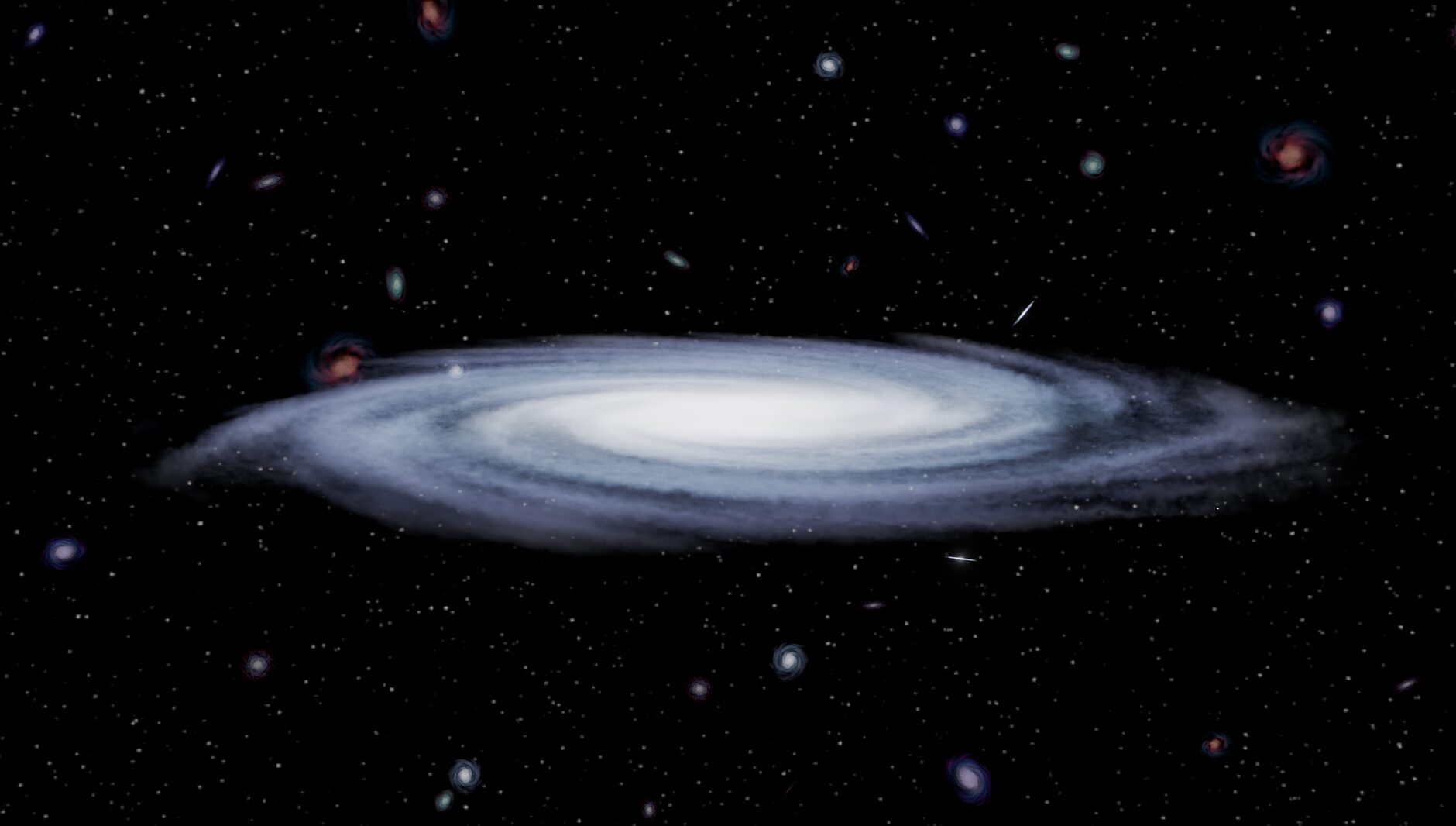
- Unprecedented Galaxy Formation: Observations revealed that galaxies began forming much earlier than expected, contributing to a richer tapestry of cosmic history.
- Interstellar Dust: The James Webb Space Telescope has identified significant amounts of interstellar dust in these ancient galaxies, which plays a crucial role in star and planet formation.
These revelations not only enhance our understanding of the cosmos but also raise new questions about the processes that shaped the universe. The findings underscore the importance of the James Webb Space Telescope in revolutionizing our view of the universe’s history, prompting scientists to rethink long-held theories about its evolution.
Implications of the Findings
The discoveries made by the James Webb Space Telescope have significant implications for our understanding of the early universe. The findings challenge long-held beliefs about the purity of the cosmos shortly after the Big Bang.
Researchers have identified a complex mixture of elements and compounds in ancient galaxies that were previously thought to be much simpler. This revelation suggests that the formation of stars and galaxies was influenced by a variety of factors, leading to a more intricate cosmic history.
Key implications of these findings include:
- Revising Cosmological Models: The data may require scientists to adjust existing models of galaxy formation and evolution, incorporating a broader range of chemical constituents.
- Understanding Star Formation: The presence of diverse elements could shed light on the processes that led to star formation, providing insights into how early stars interacted with their environments.
- Broader Cosmic History: These discoveries indicate a more dynamic and turbulent early universe, which could reshape our understanding of cosmic evolution over billions of years.
- Future Research Directions: The James Webb Space Telescope’s findings open new avenues for research, prompting scientists to explore other ancient galaxies with similar complexity.
As research continues, the implications of the James Webb Space Telescope’s discoveries will undoubtedly lead to new questions and deeper insights into our universe’s ancient past.
How the Telescope Works
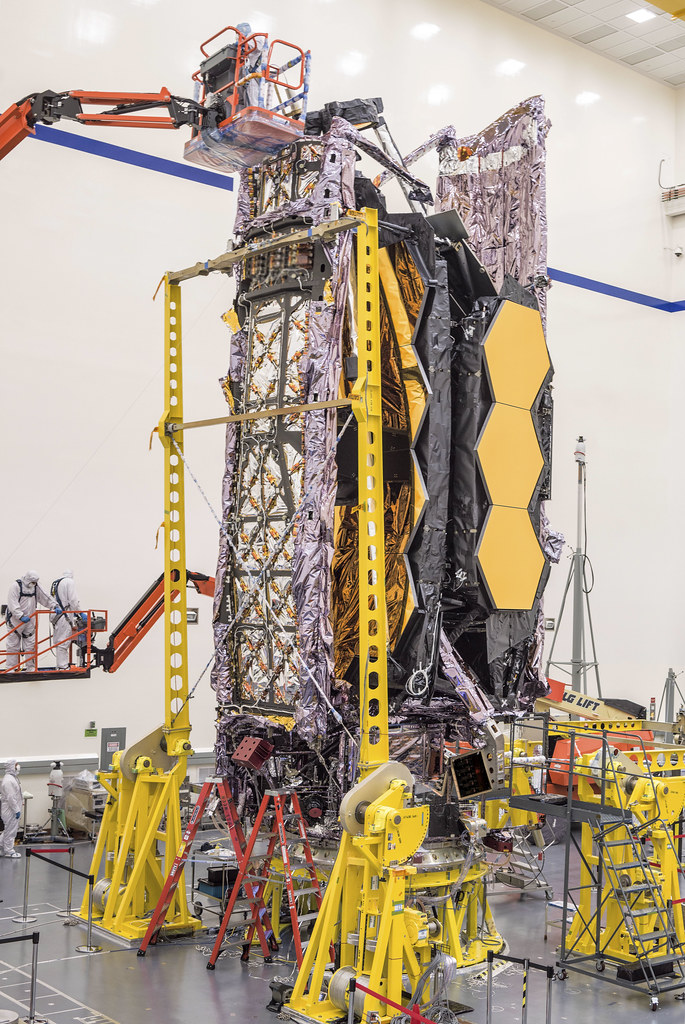
The James Webb Space Telescope operates using a combination of advanced technologies designed to observe the universe in unprecedented detail. At its core lies a large, segmented mirror that spans 6.5 meters in diameter, allowing it to collect more light than any previous space telescope. This capability is crucial for studying faint objects that are billions of light-years away.
To capture images in the infrared spectrum, the telescope is equipped with state-of-the-art instruments that include:
- NIRCam (Near Infrared Camera) – used for imaging celestial objects and detecting light from the early universe.
- NIRSpec (Near Infrared Spectrograph) – capable of analyzing the composition of distant galaxies and star-forming regions.
- MIRI (Mid-Infrared Instrument) – allows researchers to observe cooler astronomical objects and study the formation of stars and planets.
Additionally, the telescope operates at extremely low temperatures, which is essential for minimizing noise in the infrared observations. It is positioned at a location known as the second Lagrange point (L2), approximately 1.5 million kilometers from Earth. This stable point enables continuous observation without the interference of Earth’s atmosphere.
Through these innovative features, the James Webb Space Telescope is redefining our understanding of the cosmos and revealing the complexities of the ancient universe.
Future of Space Exploration
The James Webb Space Telescope has opened new frontiers for future space exploration, providing a deeper understanding of the universe’s evolution. As scientists analyze its groundbreaking discoveries, several key areas are emerging as focal points for ongoing research.
- Understanding Cosmic Evolution: The discoveries made by the James Webb Space Telescope challenge previous notions about the formation of galaxies and the conditions of the early universe. Future missions will delve deeper into these findings, aiming to clarify the processes that shaped cosmic structures.
- Searching for Exoplanets: With its advanced capabilities, the James Webb Space Telescope is set to revolutionize the search for exoplanets. Scientists are eager to study the atmospheres of distant worlds, searching for signs of habitability and potential life.
- Investigating Dark Matter and Energy: Future explorations will also focus on the mysteries of dark matter and dark energy, which comprise a significant portion of the universe. The telescope’s observations may help unravel these enigmatic components.
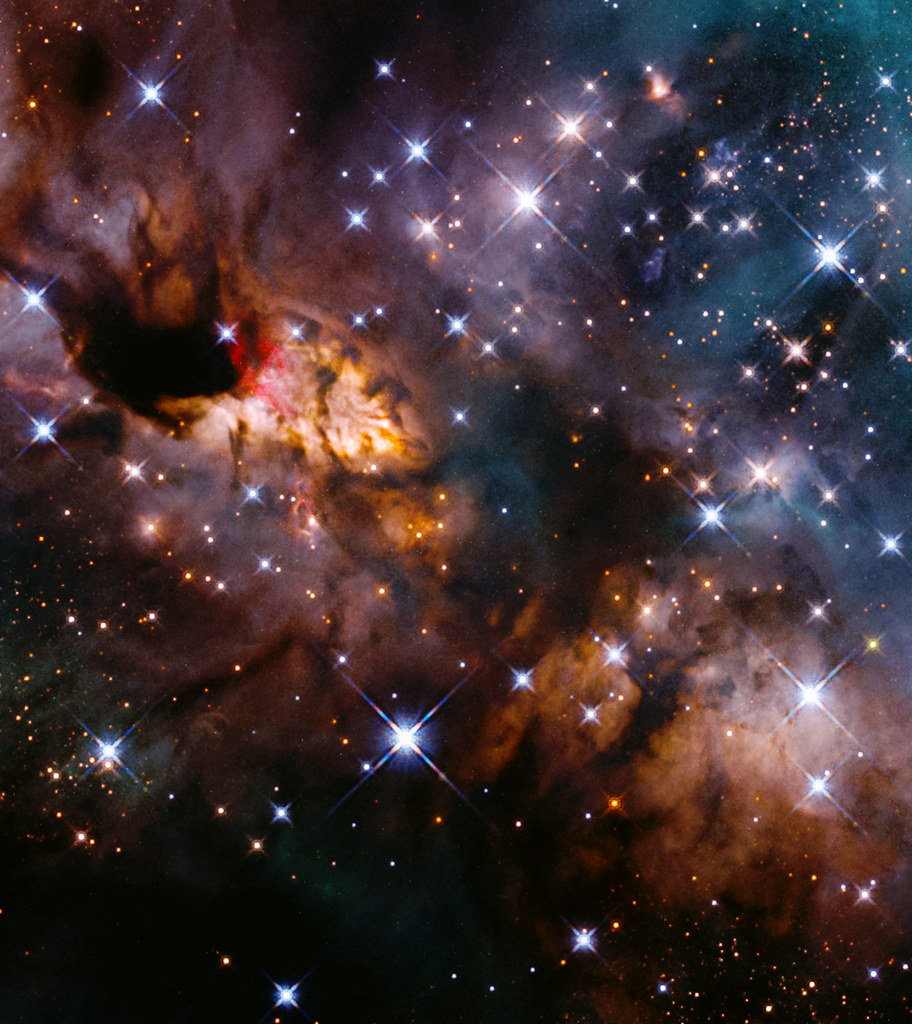
- Interstellar Research: The telescope will facilitate studies of stellar nurseries and the life cycles of stars, allowing scientists to witness the birth and death of celestial bodies in unprecedented detail.
These exciting avenues hold the promise of profound revelations about our universe, guided by the innovative technology of the James Webb Space Telescope.
By James Webb Space Telescope via Openverse