The hydrogen signal from galaxies has been detected, revealing insights from 8 billion years ago. This groundbreaking discovery sheds light on the early universe and its formation.
What is the GMRT?
The Giant Metrewave Radio Telescope (GMRT) is a groundbreaking facility located near Pune, India, known for its ability to detect radio emissions from celestial objects. Built in the 1990s, the GMRT consists of 30 antennas spread over a 25-kilometer area, allowing it to capture weak signals from distant galaxies. The telescope operates at a frequency range of 150 to 1420 MHz, optimizing its capacity to explore various cosmic phenomena.
Recently, the GMRT has made headlines by successfully detecting a hydrogen signal from galaxies that existed approximately 8 billion years ago. This remarkable achievement opens new avenues for understanding the early universe and the formation of galaxies. The detection of such ancient signals provides a glimpse into the conditions of the universe during its formative years.
Key features of the GMRT include:
- Advanced Technology: The GMRT employs cutting-edge technology to enhance its sensitivity and resolution, enabling it to observe faint radio signals.
- Scientific Collaboration: The telescope is a hub for international collaborations, contributing to numerous discoveries in astrophysics.
- Versatility: Its wide frequency range allows astronomers to study various cosmic phenomena, including pulsars, quasars, and now, ancient hydrogen signals from galaxies.
As the GMRT continues its observations, further discoveries related to the hydrogen signal from galaxies are anticipated, deepening our understanding of the universe’s history.
Understanding Hydrogen Signals
The study of hydrogen signals from galaxies provides crucial insights into the early universe. These signals originate from neutral hydrogen, the most abundant element in the cosmos, which plays a significant role in the formation and evolution of galaxies. By detecting these signals, astronomers can glean information about the conditions in which galaxies formed and how they have changed over billions of years.
One of the primary methods of detecting these hydrogen signals is through radio astronomy. Instruments like the Giant Metrewave Radio Telescope (GMRT) are capable of picking up faint emissions from distant galaxies, allowing researchers to study their properties in detail. This includes understanding their mass, star formation rates, and chemical composition.
As scientists analyze these hydrogen signals, they can build a more comprehensive picture of the universe’s history. Key aspects of this research include:
- Cosmological insights: Understanding the distribution of hydrogen helps illuminate the large-scale structure of the universe.
- Galaxy evolution: Studying hydrogen signals from ancient galaxies allows researchers to trace how these galaxies evolved over time.
- Star formation: The presence of hydrogen indicates regions where new stars are forming, shedding light on the lifecycle of galaxies.
Ultimately, the detection of hydrogen signals from galaxies opens a window into the universe’s past, revealing the processes that shaped it long before humanity existed.
The Importance of Galaxy Research
The study of galaxies has long been a cornerstone of our understanding of the universe. Researchers utilize various methods to probe the intricacies of these massive systems, and one particularly fascinating area of study involves the analysis of hydrogen signals from galaxies. These signals serve as a vital tool in uncovering the history and evolution of cosmic structures.
Understanding the hydrogen signal from galaxies allows astronomers to gain insights into several critical aspects of the universe:
- Cosmic Evolution: By examining hydrogen signals, scientists can trace the formation and development of galaxies over billions of years.
- Star Formation: Hydrogen is a key element in the formation of stars. Analyzing these signals helps researchers understand where and how stars are born in different cosmic epochs.
- Dark Matter and Energy: The distribution of hydrogen in galaxies can provide clues about the underlying dark matter and the role of dark energy in the universe’s expansion.
- Comparative Studies: Observing hydrogen signals from different galaxies allows for comparative studies that enhance our knowledge of galaxy formation processes across different environments.
In essence, the importance of galaxy research, particularly through the lens of hydrogen signals, cannot be overstated. It not only enriches our comprehension of the cosmos but also lays the groundwork for future discoveries that could further unravel the mysteries of the universe.
How Galaxies Formed 8 Billion Years Ago
Recent discoveries have illuminated the processes behind galaxy formation, particularly the detection of a hydrogen signal from galaxies that existed approximately 8 billion years ago. This era, known as the peak of star formation, provides critical insights into how galaxies evolved and interacted in the early universe.
During this time, galaxies were primarily composed of hydrogen gas, which acted as the fundamental building block for star creation. The hydrogen signal detected by the GMRT offers a glimpse into the conditions that prevailed in these ancient systems. Understanding this signal is essential for astronomers, as it enables them to reconstruct the evolutionary history of galaxies and their stellar populations.
Key factors contributing to galaxy formation during this epoch include:
- Gas Accumulation: The inflow of hydrogen gas into forming galaxies provided the necessary material for star formation.
- Gravitational Interactions: Collisions and mergers between galaxies played a significant role in their growth and structure.
- Starburst Activity: Intense periods of star formation led to the rapid evolution of galaxies, influenced by their surrounding environments.
By analyzing the hydrogen signal from galaxies from this period, scientists can better understand the mechanics of galaxy formation and the broader implications for cosmology. This discovery not only sheds light on the past but also paves the way for future research into the evolution of the universe.
Implications for Modern Astronomy
The detection of the hydrogen signal from galaxies that formed 8 billion years ago has significant implications for modern astronomy. This groundbreaking discovery not only enhances our understanding of galaxy formation but also provides a glimpse into the early universe, reshaping our perceptions of cosmic evolution.
One of the primary implications is the potential for new insights into the role of hydrogen in the cosmic landscape. Hydrogen is the most abundant element in the universe, and its signals can reveal much about the conditions of the early cosmos. By studying these signals, astronomers can:
- Investigate Galaxy Formation: Understanding how galaxies formed and evolved is crucial to comprehending the larger structure of the universe.
- Explore Cosmic History: The hydrogen signals serve as a time capsule, allowing researchers to explore the properties of matter and energy during a critical period in the universe’s history.
- Refine Cosmological Models: The findings may lead to adjustments in existing models of cosmic expansion and the distribution of dark matter.
Furthermore, the ability to detect such ancient signals opens the door to new observational techniques. As scientists refine their methods, the potential for discovering more about the hydrogen signal from galaxies increases, promising exciting developments in our understanding of the universe.
Technological Advances in Detection
Recent advancements in detection technologies have significantly enhanced our ability to explore the cosmos, particularly in the study of the hydrogen signal from galaxies. These innovations have allowed astronomers to peer further back in time, unraveling the mysteries of the universe’s early formation.
Key developments in radio astronomy, notably through the use of advanced interferometry techniques, have enabled more precise measurements of the faint hydrogen signals emitted by distant galaxies. Instruments like the Giant Metrewave Radio Telescope (GMRT) are at the forefront of this research, employing a network of radio antennas that work in unison to capture and analyze these elusive signals.
Additionally, improvements in digital signal processing and data analysis software have made it possible to filter out background noise, allowing for clearer insights into the characteristics of hydrogen within galaxies that existed billions of years ago. As a result, astronomers can now discern the conditions and environments that shaped these ancient structures.
These technological strides not only enhance the understanding of the hydrogen signal from galaxies but also bolster our insights into the evolution of cosmic matter. As researchers continue to refine these tools, the potential for groundbreaking discoveries in astrophysics remains vast, promising to unlock even more secrets of the universe’s history.
In summary, the ongoing evolution of detection technologies is crucial for uncovering the ancient evidence of galaxy formation and transformation, shedding light on the complexities of our universe.
Future Research Directions
As scientists continue to explore the cosmos, future research directions will focus on the hydrogen signal from galaxies, which can provide deeper insights into the formation and evolution of the universe. The recent detection of this ancient hydrogen signal by the GMRT has opened up numerous avenues for investigation.
One primary area of study will involve refining the techniques used to detect and analyze hydrogen signals. Researchers aim to enhance the sensitivity of existing instruments, allowing for the observation of even fainter signals from more distant galaxies. This improvement could lead to the discovery of previously unseen cosmic structures.
Moreover, scientists plan to conduct comparative studies between galaxies of different ages and compositions. By examining the variations in hydrogen signals across these galaxies, researchers hope to uncover crucial information regarding star formation rates and the chemical evolution of the universe.
Additionally, interdisciplinary collaboration will play a significant role in future research. Astronomers, physicists, and data scientists will work together to develop new models that incorporate the hydrogen signal from galaxies into broader cosmic frameworks. This collaboration promises to yield a more comprehensive understanding of the universe’s history.
Finally, upcoming space missions and ground-based observatories will seek to complement GMRT findings, further expanding the horizons of our knowledge about the early universe and the role of hydrogen in galactic evolution.
Conclusion: A Bright Future for Space Exploration
As we conclude our exploration of the hydrogen signal from galaxies, it is clear that this discovery opens up new avenues for understanding the universe. The ability to detect ancient hydrogen signals not only enhances our knowledge of galaxy formation but also strengthens the foundation for future astronomical research.
The findings from the GMRT are pivotal, suggesting that there is a wealth of information encoded in the hydrogen signals emitted by galaxies billions of years ago. This ancient evidence provides insight into the conditions of the early universe, offering a glimpse into the processes that shaped the cosmos.
Moreover, the technological advances in detection techniques have made it possible to capture these faint signals. As researchers refine their methods and tools, we can expect even more groundbreaking discoveries in the years to come. The implications of this research extend beyond mere academic curiosity; they may also influence our understanding of dark matter and cosmic evolution.
In conclusion, the hydrogen signal from galaxies represents a significant step forward in our quest to unravel the mysteries of the universe. With ongoing and future research directions aimed at further uncovering the secrets of the cosmos, the horizon looks promising for both astronomers and enthusiasts alike. The universe has many more stories to tell, and we are just beginning to listen.
The recent findings shed light on the hydrogen signal from galaxies, providing crucial insights into the early universe. Researchers are now able to trace the evolution of cosmic structures through this hydrogen signal from galaxies, revealing a clearer picture of their formation and development.
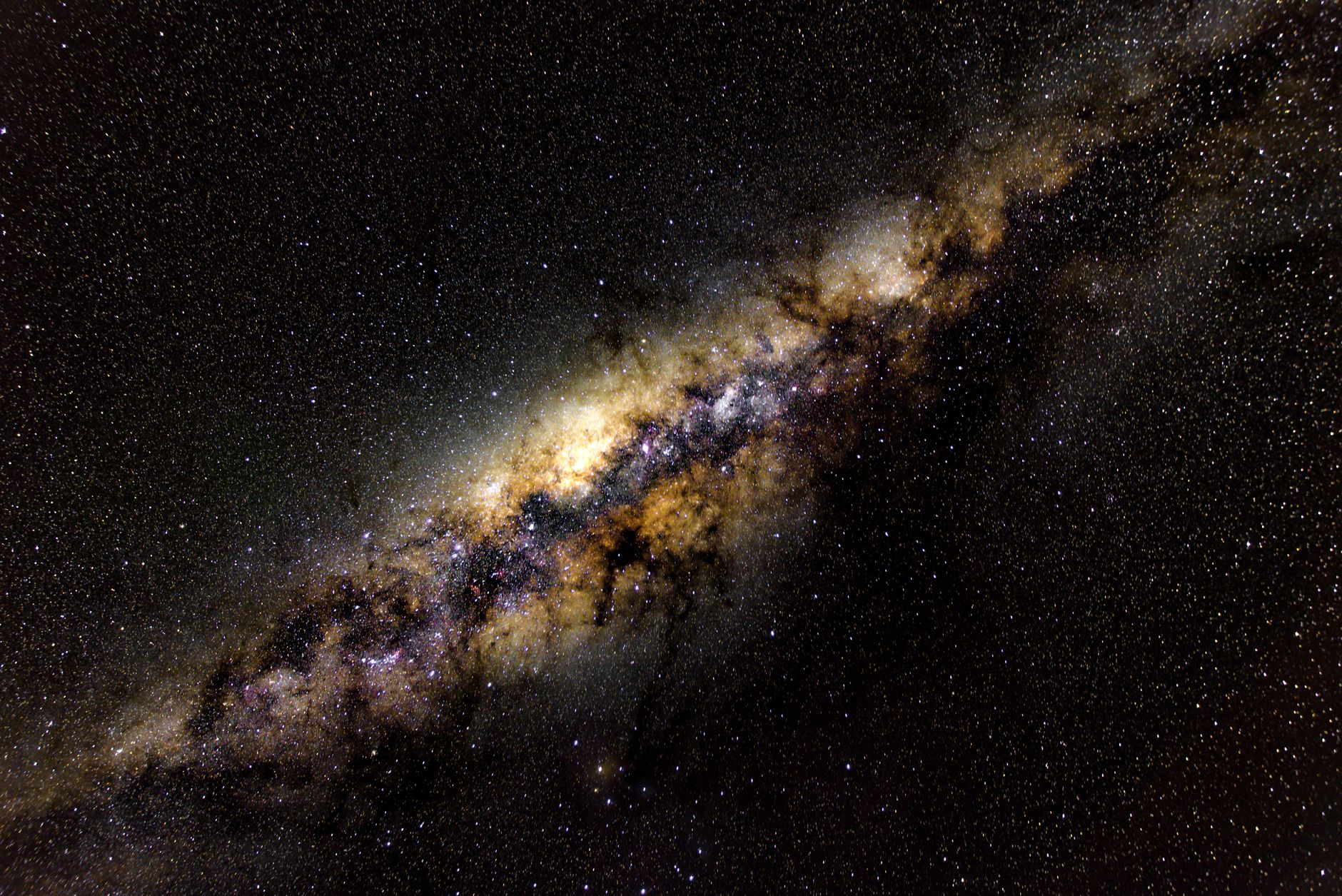
Photo by Jonh Medeiros on Pexels