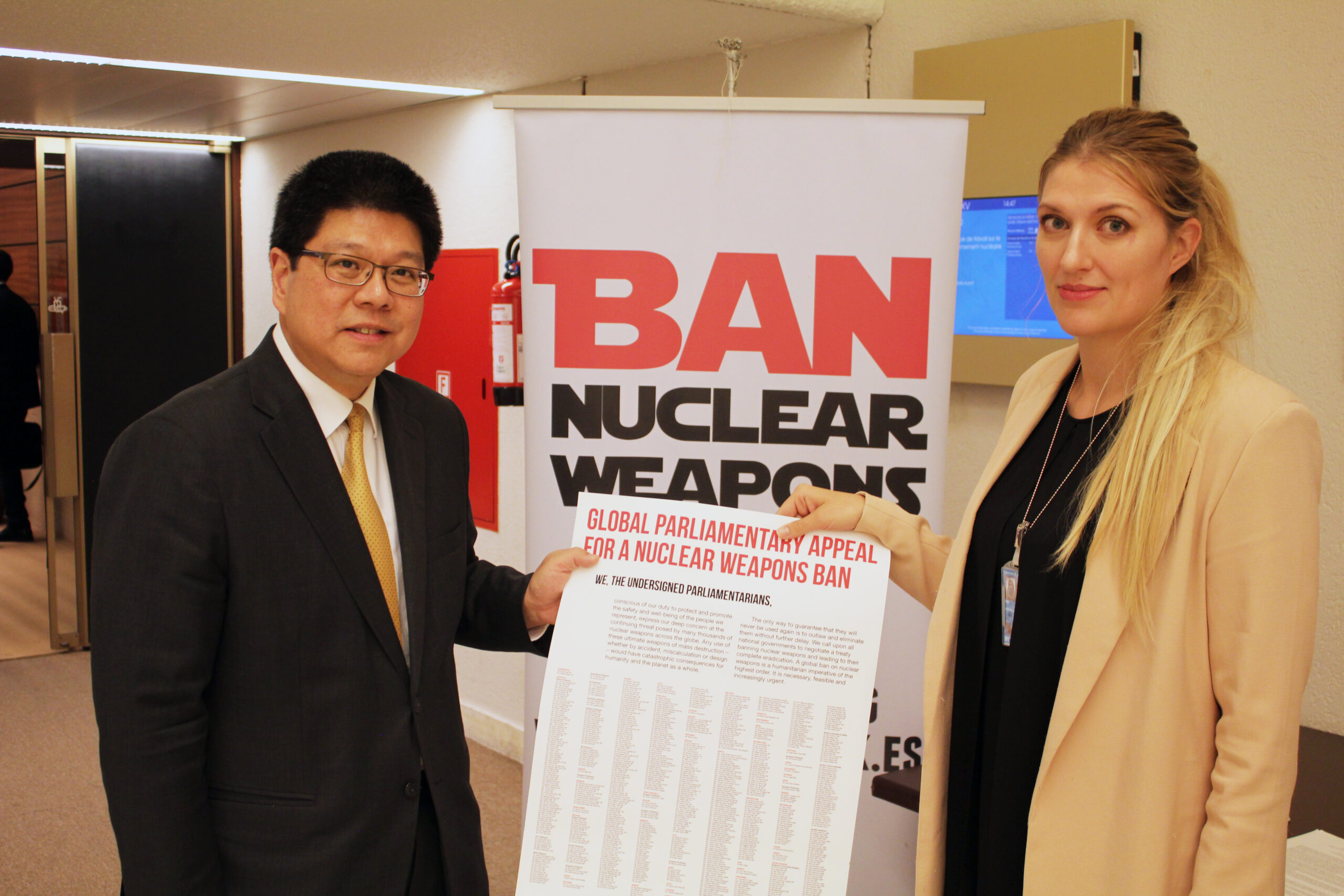
The US Iran peace deal is inching closer as Tehran considers nuclear proposals, signaling potential stability in the region. This development could reshape international relations and security dynamics.
Current Status of US Iran Peace Deal
The current status of the US Iran peace deal indicates a cautious optimism as diplomatic efforts continue to evolve. Recent discussions between the two nations have suggested a willingness to address longstanding tensions, particularly concerning nuclear proposals.
Officials from both sides have engaged in talks that focus on key issues, including:
- The enrichment of uranium and its implications for regional security.
- Sanctions relief and its potential impact on the Iranian economy.
- Verification measures to ensure compliance with any agreements reached.
Analysts believe that progress is being made, albeit slowly, as both countries weigh the benefits of a potential agreement. Tehran’s recent willingness to consider modified nuclear proposals signals a shift in its approach, providing a glimmer of hope for a breakthrough.
Experts contend that a solid US Iran peace deal could pave the way for greater stability in the Middle East, impacting not just bilateral relations but also the broader geopolitical landscape. While challenges remain, the ongoing dialogue reflects a mutual interest in reducing tensions and fostering an environment conducive to peace.
Key Nuclear Proposals Under Consideration
As the negotiations surrounding the US Iran peace deal continue to evolve, several key nuclear proposals are currently under consideration. These proposals aim to address concerns related to Iran’s nuclear program while fostering a more stable diplomatic relationship between the two nations.
Among the significant proposals are:
- Enhanced Monitoring: The US has suggested implementing more rigorous monitoring mechanisms to ensure compliance with nuclear agreements, allowing for greater transparency in Iran’s nuclear activities.
- Sanction Relief: In exchange for Iran’s commitment to limit its nuclear enrichment, the US is considering a phased approach to lifting economic sanctions, providing Iran with much-needed economic relief.
- Regional Security Cooperation: A proposal for both countries to engage in cooperative efforts aimed at regional security could pave the way for broader discussions on nuclear non-proliferation.
- Time-bound Enrichment Limits: The introduction of specific timeframes for enrichment activities may serve as a compromise, ensuring that Iran’s nuclear ambitions remain peaceful.
As these proposals are deliberated, the potential for a comprehensive US Iran peace deal seems increasingly attainable, promising a future of improved stability in the region.
Impact of the Peace Deal on Global Stability
The potential US Iran peace deal promises to significantly reshape the geopolitical landscape, influencing stability not only in the Middle East but across the globe. As both nations inch closer to an agreement, the implications extend far beyond their borders.
Experts believe that a successful peace deal could:
- Reduce Tensions: A formal agreement may decrease hostilities in the region, leading to improved relations among neighboring countries.
- Encourage Diplomacy: The deal could serve as a catalyst for further diplomatic engagements, opening channels for dialogue on other contentious issues.
- Stabilize Oil Markets: With reduced tensions, oil prices may stabilize, benefiting economies heavily reliant on Middle Eastern oil exports.
- Counter Extremism: A decrease in conflict could diminish the appeal of extremist groups that thrive on chaos and instability.
However, the success of the US Iran peace deal hinges on mutual trust and commitment to uphold the terms agreed upon. The path to stability is fraught with challenges, but the potential rewards make continued efforts essential for all parties involved.
Historical Context of US Iran Relations
The relationship between the US and Iran has been marked by decades of tension, shaped by historical events that continue to influence diplomatic efforts. Following the 1979 Iranian Revolution, which resulted in the overthrow of the US-backed Shah, relations deteriorated sharply, leading to the severing of diplomatic ties. This period was characterized by the Iran Hostage Crisis, where 52 American diplomats and citizens were held hostage for 444 days, cementing mutual distrust.
In the years that followed, various incidents, including conflicts over Iran’s nuclear program and its support for militant groups in the region, exacerbated tensions. The imposition of economic sanctions by the US, particularly after the 2010s, aimed to curb Iran’s nuclear ambitions but also significantly impacted the Iranian economy.
Despite these challenges, recent developments suggest a potential thaw in relations. The US Iran peace deal discussions are seen as a crucial step toward stabilizing not only bilateral ties but also broader regional dynamics. As both nations explore avenues for negotiation, the historical context of their interactions serves as a reminder of the complexities involved in achieving lasting peace.
Expert Opinions on the Negotiations
Experts are weighing in on the ongoing negotiations surrounding the US Iran peace deal, highlighting both optimism and skepticism regarding the potential outcomes. According to Dr. Emily Carter, a prominent international relations scholar, “This peace deal could mark a significant turning point in the region’s stability, provided that both sides remain committed to the terms discussed.”
However, not all analysts share this optimistic outlook. Professor John Malik warns that “historical tensions between the US and Iran could undermine any agreement, especially if mutual trust is not established.” He emphasizes the importance of transparency in the negotiations to build confidence.
Several key issues remain on the table, including sanctions relief and the future of Iran’s nuclear program. Dr. Sarah Alavi, a political analyst, believes that “finding common ground on these topics is crucial for the success of the US Iran peace deal.” She suggests that both nations must approach the discussions with a willingness to compromise.
As the world watches closely, the outcomes of these negotiations could reshape not only US-Iran relations but also the geopolitical landscape of the Middle East. The coming weeks will be critical in determining whether a lasting peace can be achieved.
Future Prospects for US Iran Relations
The future prospects for US-Iran relations hinge on the successful implementation of a peace deal that addresses mutual concerns and fosters cooperation. Should the negotiations yield a comprehensive agreement, several positive outcomes may follow.
- Enhanced Diplomatic Engagement: A successful US Iran peace deal could lead to increased diplomatic interactions, allowing both nations to address contentious issues through dialogue rather than confrontation.
- Economic Opportunities: Lifting sanctions in conjunction with a peace agreement may open the door for economic growth in Iran, benefitting both its citizens and international investors.
- Regional Stability: Improved US-Iran relations could contribute to a more stable Middle East, as both countries would likely find common ground on pressing regional conflicts.
- Non-Proliferation Efforts: Strengthened commitments to nuclear non-proliferation could emerge from the negotiations, leading to a safer global environment.
However, challenges remain, including political opposition within both countries and the potential for external influences to derail progress. Ultimately, the outcome of the ongoing discussions will significantly shape the trajectory of US-Iran relations and the broader geopolitical landscape.
References
Moneycontrol.com · US-Iran peace talks
Ray Experience Centre launch: Is it the Best New Venue? · Electroosmosis Atom Interactions: The Best Proven Insights · GOP losers House seats: Worst results for Republicans