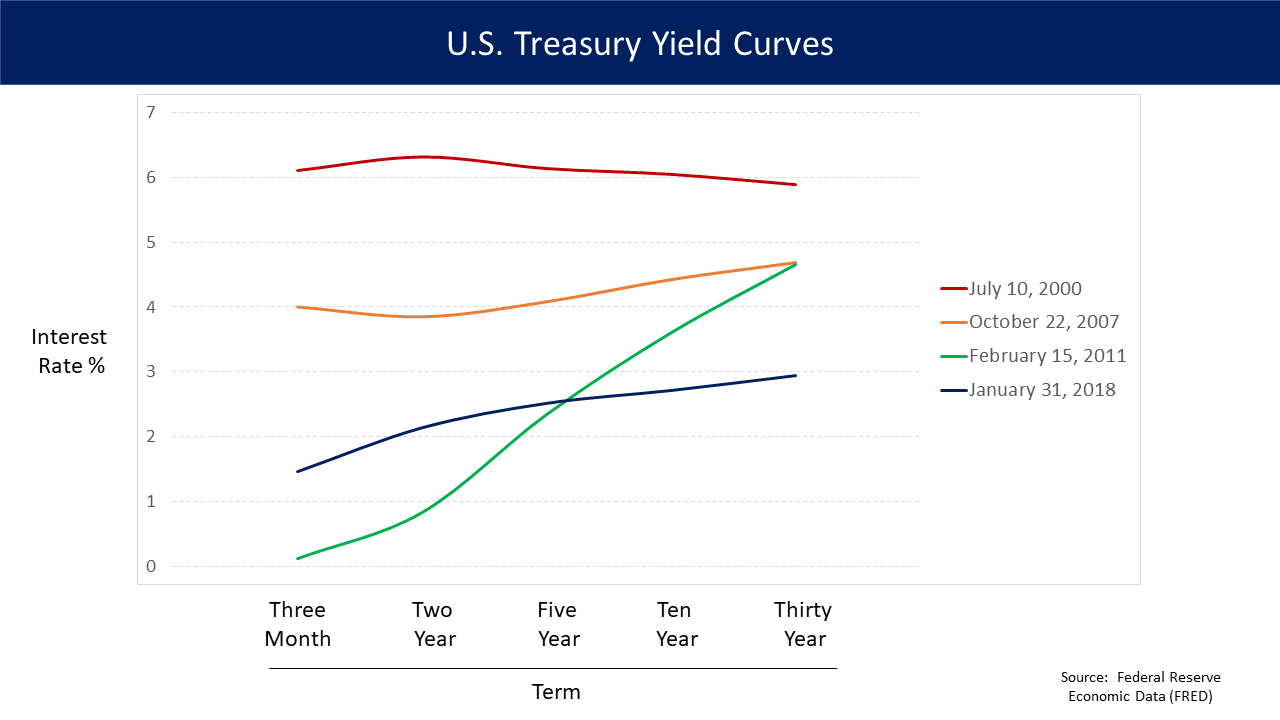
U.S. Treasury yield has fallen under 5% as French turmoil fuels a flight for safety among investors. This significant decline reflects growing concerns about global stability and its impact on financial markets.
Understanding the U.S. Treasury Yield
The U.S. Treasury yield is a crucial indicator of the health of the U.S. economy and is often used as a benchmark for other interest rates. Recently, the U.S. Treasury yield experienced a significant downturn, dropping under 5% for the first time in recent memory. This decline is largely attributed to global uncertainties, particularly turmoil in France, which has led investors to seek safer assets.
When investors perceive heightened risk in the market, they often flock to U.S. Treasuries, driving prices up and yields down. This flight to safety is a common reaction during periods of geopolitical instability or economic volatility. The yield on the 10-year Treasury note is particularly watched, as it influences a wide range of financial products, including mortgage rates and corporate borrowing costs.
As the U.S. Treasury yield fluctuates, analysts closely monitor its implications for economic growth and financial markets. The decline under 5% marks a pivotal moment, reflecting both investor sentiment and the broader economic landscape.
Impact of French Turmoil on Markets
The recent turmoil in France has sent shockwaves through global financial markets, leading to a notable impact on the U.S. Treasury yield. As investors seek safety in uncertain times, the U.S. 10-year Treasury yield has dropped under 5%, marking its worst decline in recent history.
Market analysts have observed that such geopolitical instability often drives investors towards safer assets like U.S. Treasuries. The flight for safety is amplifying demand, which in turn pushes yields lower.
Several factors are contributing to this trend:
- Heightened Uncertainty: Protests and political unrest in France have raised concerns about broader economic implications.
- Investor Behavior: As risk appetite diminishes, many are reallocating assets to government bonds.
- Global Economic Outlook: Expectations of slower growth are prompting shifts in investment strategies.
As the situation evolves, market observers will closely monitor how these dynamics influence the U.S. Treasury yield and broader economic stability.
What Falling Yields Mean for Investors
As the U.S. Treasury yield experiences its worst drop under 5%, investors are left grappling with what this means for their portfolios. Falling yields typically signal a flight to safety, prompting investors to seek refuge in government bonds. This trend can result in a mixed bag of implications for various asset classes.
Here are some key points for investors to consider:
- Bonds and Interest Rates: When yields fall, bond prices rise, potentially benefiting those who hold existing bonds.
- Equity Market Impact: Lower yields may lead to higher valuations in stocks, as cheaper borrowing costs can stimulate corporate growth.
- Inflation Concerns: Persistently low yields could signal investor concerns about slowing economic growth or deflation, impacting consumer spending.
- Alternative Investments: With yields falling, some investors may explore other assets, such as real estate or commodities, to seek better returns.
Ultimately, understanding the dynamics of the U.S. Treasury yield can help investors navigate the current market volatility and make informed decisions.
Historical Context of Treasury Yields
The U.S. Treasury yield has long served as a benchmark for various financial instruments, influencing everything from mortgage rates to corporate borrowing costs. Historically, the yield on the 10-year Treasury note has been a reliable indicator of investor sentiment and economic health.
Over the years, fluctuations in the Treasury yield have mirrored significant geopolitical events and economic shifts. For instance, during times of crisis, such as the 2008 financial meltdown or the onset of the COVID-19 pandemic, investors have often flocked to the safety of U.S. Treasuries, causing yields to fall sharply.
Recently, the U.S. Treasury yield experienced its worst drop under 5%, driven by turmoil in France and rising uncertainty in global markets. This decline not only highlights the fragility of investor confidence but also raises questions about the long-term implications for the U.S. economy. As yields drop, the cost of borrowing decreases, which can stimulate economic activity, but it may also signal looming challenges ahead.
Understanding these historical contexts is crucial for investors navigating today’s turbulent landscape.
Future Outlook for U.S. Treasury Rates
The future outlook for U.S. Treasury rates remains uncertain as investors grapple with shifting market dynamics. The recent plunge in the U.S. Treasury yield, now falling under 5%, has raised questions about the implications for both domestic and international markets.
Analysts suggest that potential factors influencing future yields include:
- Inflation Rates: Persistent inflation could lead the Federal Reserve to adjust interest rates, impacting Treasury yields.
- Global Economic Stability: Continued turmoil, particularly in Europe, may drive demand for safe-haven assets like U.S. Treasuries.
- Government Debt Levels: Rising debt levels could strain investor confidence, potentially leading to higher yields in the long term.
As the market reacts to these developments, investors must remain vigilant. The drop in U.S. Treasury yields not only reflects current economic conditions but also sets the stage for a complex interplay of factors that will shape the financial landscape in the coming months.
By Farcaster via Openverse