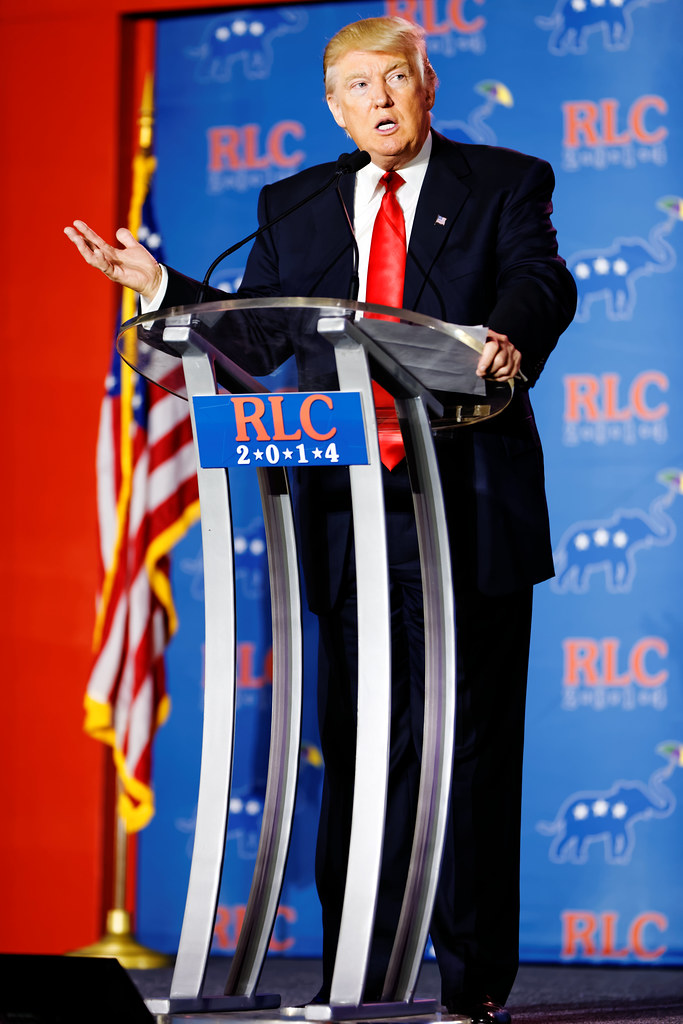
Trump election officials are at the center of a recent ruling that orders the administration to stop making threats of criminal charges against them. This decision could have significant implications for the electoral process.
Background on the case
The legal battle surrounding the Trump election officials has drawn significant attention in recent months. Concerns have escalated over the behavior of some members of the Trump administration who reportedly threatened election officials with criminal charges. These threats have raised alarms about the integrity of the electoral process and the safety of those involved in administering elections.
In a recent ruling, a judge mandated that the Trump administration must cease these intimidating practices, emphasizing the need for a fair electoral environment free from coercion. The judge’s decision is seen as a crucial step in protecting election officials, who have faced increasing scrutiny and hostility in the wake of the 2020 presidential election.
Many election officials across the country have expressed feeling under siege due to the pressure exerted by the administration. This situation has prompted advocacy groups to rally support for measures that safeguard officials from undue influence and threats. The ruling aims to restore a sense of security among those tasked with ensuring that elections are conducted properly and transparently.
As the case continues to unfold, the implications of this ruling could resonate widely, highlighting the importance of upholding democratic processes and protecting those who serve within them.
Implications for election officials
The recent ruling by a federal judge has significant implications for election officials across the country. By ordering the Trump administration to cease its threats of criminal charges against these officials, the court aims to protect the integrity of the electoral process. This decision is expected to foster an environment where election officials can perform their duties without fear of intimidation or retaliation.
Election officials play a crucial role in maintaining the democratic process, and their ability to operate independently is vital for public trust in elections. The judge’s order reinforces the idea that these officials should not be subject to undue pressure from political figures. This ruling is seen as a pivotal moment for election integrity, especially as the nation approaches future elections.
The implications of this decision extend beyond the immediate legal context. Key points to consider include:
- Protection of Election Integrity: The ruling bolsters the independence of election officials, allowing them to focus on their responsibilities without external threats.
- Encouragement of Civic Participation: A safer environment for election officials may encourage more individuals to participate in the electoral process.
- Legal Precedents: This case may set a precedent for how political pressures are handled in relation to election officials in the future.
Ultimately, the ruling serves as a reminder of the importance of safeguarding the electoral process from political interference.
Reactions from the Trump administration
The recent court ruling has sparked a variety of reactions from members of the Trump administration. Many officials have expressed their concerns regarding the implications of the judge’s order, viewing it as an infringement on their ability to ensure election integrity.
Key figures within the administration have voiced their support for the election officials, emphasizing the importance of safeguarding the electoral process. They argue that the threats made previously were meant to uphold standards and accountability within the electoral system.
- Former Press Secretary Kayleigh McEnany stated that the administration’s intentions were misunderstood, asserting that the focus was on maintaining transparency and trust in elections.
- Senior Advisor Jared Kushner called the ruling “unfortunate,” highlighting that election officials must be held accountable for their actions to prevent any form of electoral malpractice.
- Attorney General Bill Barr echoed these sentiments, suggesting that the judge’s decision could hinder the efforts of those working to protect the electoral process from perceived threats.
As reactions continue to unfold, it remains to be seen how this ruling will impact the relationship between the Trump administration and election officials moving forward. The focus will likely remain on balancing enforcement of election laws with the need to protect officials from undue threats.
Legal precedents in election law
Legal precedents in election law have often shaped the way officials manage their duties and respond to external pressures. In recent years, cases involving election integrity and the protection of officials from undue threats have gained prominence. A key aspect of these legal frameworks is ensuring that election officials can perform their roles without fear of reprisal or intimidation.
Historically, various court rulings have upheld the rights of election officials to operate free from coercive tactics. For instance, the Voting Rights Act has been instrumental in safeguarding the electoral process, reinforcing the need for a fair and unbiased environment. Courts have ruled against practices that could undermine the integrity of elections, emphasizing the importance of protecting officials from threats.
In the current context, the judge’s order to halt threats from Trump election officials aligns with these legal principles, reinforcing the idea that public servants must be shielded from intimidation to uphold democratic processes. The legal landscape continues to evolve, with cases like this potentially setting new precedents for the treatment of election officials.
As this ruling unfolds, it may serve as a benchmark for future cases, demonstrating the judiciary’s commitment to maintaining the integrity of elections and protecting those who administer them.
Public response to the ruling
The recent ruling by a federal judge has sparked significant public response regarding the behavior of Trump election officials during the electoral process. Many citizens have expressed relief at the decision to halt threats of criminal charges against those overseeing elections, viewing it as a critical step towards safeguarding electoral integrity.
A survey conducted immediately following the ruling indicated that a majority of respondents support the judge’s decision, with 72% agreeing that threats against election officials undermine democracy. Public forums and social media platforms are buzzing with discussions, showcasing a mix of relief and ongoing concern about the politicization of election oversight.
- Voter Protection Groups: Organizations dedicated to defending voting rights have applauded the ruling, calling it a victory for democracy and urging officials to focus on fair electoral practices.
- Political Analysts: Experts in the field have pointed out that the ruling could lead to greater accountability among election officials and restore public confidence in the electoral system.
- Community Leaders: Many local leaders are advocating for improved training and resources for election officials to ensure they can perform their duties without intimidation.
As the public grapples with the implications of this ruling, it remains clear that the actions of Trump election officials will continue to be scrutinized closely, fostering a broader conversation about the future of electoral integrity.
Next steps for election integrity
As the legal landscape surrounding the Trump election officials continues to evolve, several next steps are anticipated to ensure the integrity of the electoral process. The recent ruling from the judge marks a significant turning point, aiming to protect election officials from undue pressure and intimidation related to their duties.
In the wake of this decision, various stakeholders, including state governments and election integrity advocates, are expected to take proactive measures. These may include:
- Enhancing Training Programs: Election officials might receive additional training on how to handle threats and navigate potential legal challenges.
- Establishing Reporting Mechanisms: New channels for reporting intimidation and harassment could be implemented to ensure that election officials feel safe in their roles.
- Engagement with Law Enforcement: Collaborations between election officials and law enforcement agencies may increase to provide a more robust response to threats.
Moreover, the ruling could prompt a reevaluation of policies regarding the communication between government officials and their constituents. This is particularly crucial in maintaining public confidence in the electoral system, especially as the nation approaches future elections.
In summary, the next steps for election integrity hinge on the collective efforts of various parties to foster a secure environment for election officials, free from the threats that have marred recent electoral cycles.
In response to recent incidents, Trump election officials are relieved by the judge’s decision. This ruling aims to protect the integrity and safety of Trump election officials during the electoral process.
By Michael Vadon via Openverse