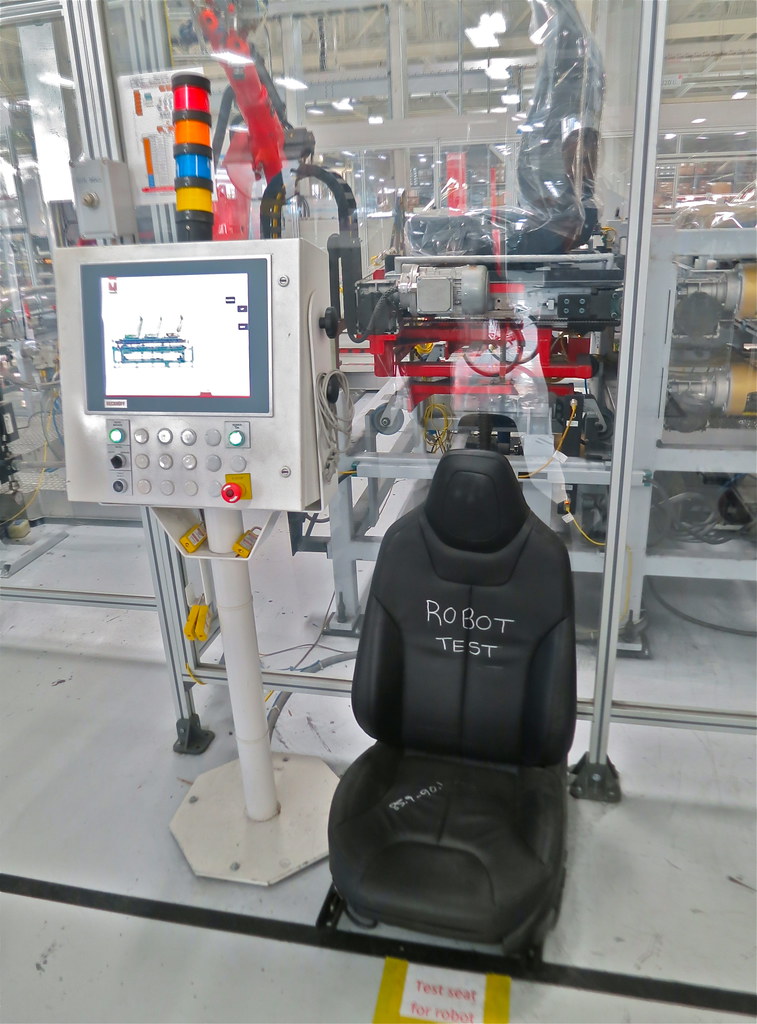
Tesla robot production is now a reality in California, but the company is facing significant challenges as profits have dropped by 43%.
Introduction to Tesla’s Optimus
Tesla has recently marked a significant milestone by commencing production of its highly anticipated Optimus robot in California. This development comes at a time when the company is facing considerable financial challenges, reporting a 43% drop in profits. The introduction of the Tesla robot production aims to diversify the company’s offerings beyond electric vehicles and is seen as a crucial step towards advancing automation in various sectors.
The Optimus robot is designed to assist with tasks that could enhance productivity and efficiency across industries. Tesla’s ambitious plans include leveraging their expertise in artificial intelligence and robotics to create a humanoid robot capable of performing complex functions.
However, the timing of this launch raises questions, as investors are concerned about the impact of dwindling profits on the company’s long-term strategy. As production ramps up, Tesla must navigate these challenges while ensuring that the Optimus can deliver on its promise to revolutionize automation.
Impact of Profit Decline
The recent decline in Tesla’s profits has raised concerns about the company’s future, particularly as it embarks on the ambitious project of Tesla robot production. The 43% drop in profits, reported in the latest financial quarter, has left investors anxious about the sustainability of such large-scale investments.
Several factors contribute to this significant profit decline:
- Increased Production Costs: The expenses associated with manufacturing the Optimus robot have surged, impacting overall profitability.
- Market Competition: As other companies invest in robotics and automation, Tesla faces intensified competition that could further erode its market share.
- Supply Chain Issues: Ongoing disruptions have hindered the timely production of components necessary for the new robot line.
As Tesla pushes forward with its innovative goals, the implications of this profit drop may influence its operational strategies and investment in future technologies.
Details on Robot Production
Tesla has officially commenced production of its highly anticipated Optimus robots at its facility in California. This move comes during a challenging financial period, as the company reported a staggering 43% drop in profits in its latest earnings report.
The shift towards Tesla robot production is seen as a pivotal strategy for the company to diversify its offerings and enhance automation across various sectors. Key details about the production include:
- Location: Tesla’s California facility is now equipped to handle the complexities of robot assembly.
- Technology: The Optimus robots are designed to perform a range of tasks, showcasing Tesla’s advancements in artificial intelligence and robotics.
- Timeline: Initial production began in the last quarter, with plans for increased output in the coming months.
- Market Impact: Despite the profit decline, Tesla remains optimistic about the long-term benefits of entering the robotics market.
As Tesla navigates these financial difficulties, the success of its robot production will be crucial for its future growth and innovation.
Future of Tesla Robotics
The future of Tesla robotics is now under intense scrutiny as the company embarks on its ambitious journey of Tesla robot production. With the recent announcement of the start of Optimus robot production in California, excitement is tempered by a stark reality: a significant profit drop of 43% has raised concerns among investors and industry experts alike.
As Tesla aims to revolutionize automation and AI integration in various sectors, the success of its robotics division will depend on multiple factors:
- Technological Advancements: Continued innovation in robotics will be essential for maintaining a competitive edge.
- Market Demand: The acceptance and adoption of robots in everyday applications will influence production scales.
- Financial Stability: Addressing the current profit decline is crucial for sustaining long-term investments in robotics.
Despite the challenges, Tesla remains committed to its vision, with hopes that the Optimus robots will eventually reshape industries and drive future growth.
Market Reaction to News
Investors reacted swiftly to the news of Tesla’s robot production ramping up, juxtaposed against a significant profit drop. After the announcement that the company had commenced production of the Optimus robot in California, shares saw a notable decline, reflecting investor concerns over the 43% drop in profits.
Market analysts highlighted several factors contributing to this negative sentiment:
- Profitability Concerns: The drastic fall in profits raised questions about Tesla’s overall financial health.
- Timing of Investments: Many investors are wary of the heavy investments needed for ramping up Tesla robot production.
- Market Competition: Rising competition in the robotics space from established and new players is creating unease.
Despite the enthusiasm surrounding Tesla’s advancements in robotics, the market’s immediate reaction underscores a cautious outlook. As Tesla navigates these challenges, the focus remains on how successful the Optimus project will be in revitalizing profit margins.
Comparing Tesla’s Performance
In recent months, Tesla’s performance has drawn significant attention, particularly in light of its decision to initiate robot production at its California facility. The launch of the Optimus robot comes amid a troubling backdrop, as the company reported a staggering 43% drop in profits.
This decline raises questions about the sustainability of Tesla’s growth trajectory, especially as it ventures into the competitive world of robotics. Analysts have noted that while the production of the Optimus robot represents a bold move towards innovation, it may not yield immediate financial returns.
- Historical Profit Trends: Previously, Tesla experienced robust profit margins, but recent shifts in market dynamics have challenged its financial stability.
- Investment in Robotics: The decision to invest heavily in robot production could either secure Tesla’s future or lead to further financial strain.
- Market Sentiment: Investor confidence is wavering as the implications of this new venture unfold.
As the company navigates these turbulent waters, the success of its robot production efforts remains to be seen.
Challenges Ahead for Tesla
Tesla is facing significant challenges as it embarks on its new venture into robot production with the Optimus robot. The recent announcement of a 43% drop in profits has raised concerns among investors and analysts alike. As the company pivots towards robotics, several factors could hinder its success.
- Supply Chain Disruptions: Ongoing global supply chain issues may impact the availability of essential components needed for the Optimus robots.
- Technological Hurdles: Developing advanced robotics technology requires substantial research and development, which may divert resources from Tesla’s core automotive business.
- Market Competition: Tesla is not alone in the robotics field; competitors are increasingly entering the market, intensifying the race for innovation and market share.
As Tesla navigates these obstacles, the future of its robot production initiative remains uncertain, and it will be crucial for the company to address these challenges effectively to regain investor confidence.
Conclusion and Outlook
As Tesla embarks on its journey with robot production, specifically the Optimus, the company faces a challenging landscape marked by a significant profit decline. The recent 43% drop in profits has raised questions about the sustainability of its ambitious plans. Investors and analysts are closely monitoring the impact of this decline on Tesla’s overall performance in the robotics sector.
Looking ahead, the success of Tesla’s robot production hinges on several key factors. Innovation in technology and efficient manufacturing processes will be critical in maintaining competitive advantages. Additionally, market acceptance of the Optimus robot will play a crucial role in determining its financial viability.
Despite the current profit challenges, Tesla’s commitment to advancing robotics could potentially lead to new revenue streams and market opportunities. The company’s ability to navigate these obstacles will ultimately shape the future of its robotics division and influence investor confidence in the long term.
The recent financial report highlights the challenges faced by Tesla robot production, leading to the worst profit drop in years. Analysts are concerned that the slowdown in Tesla robot production may impact the company’s long-term growth strategy.
By jurvetson via Openverse