
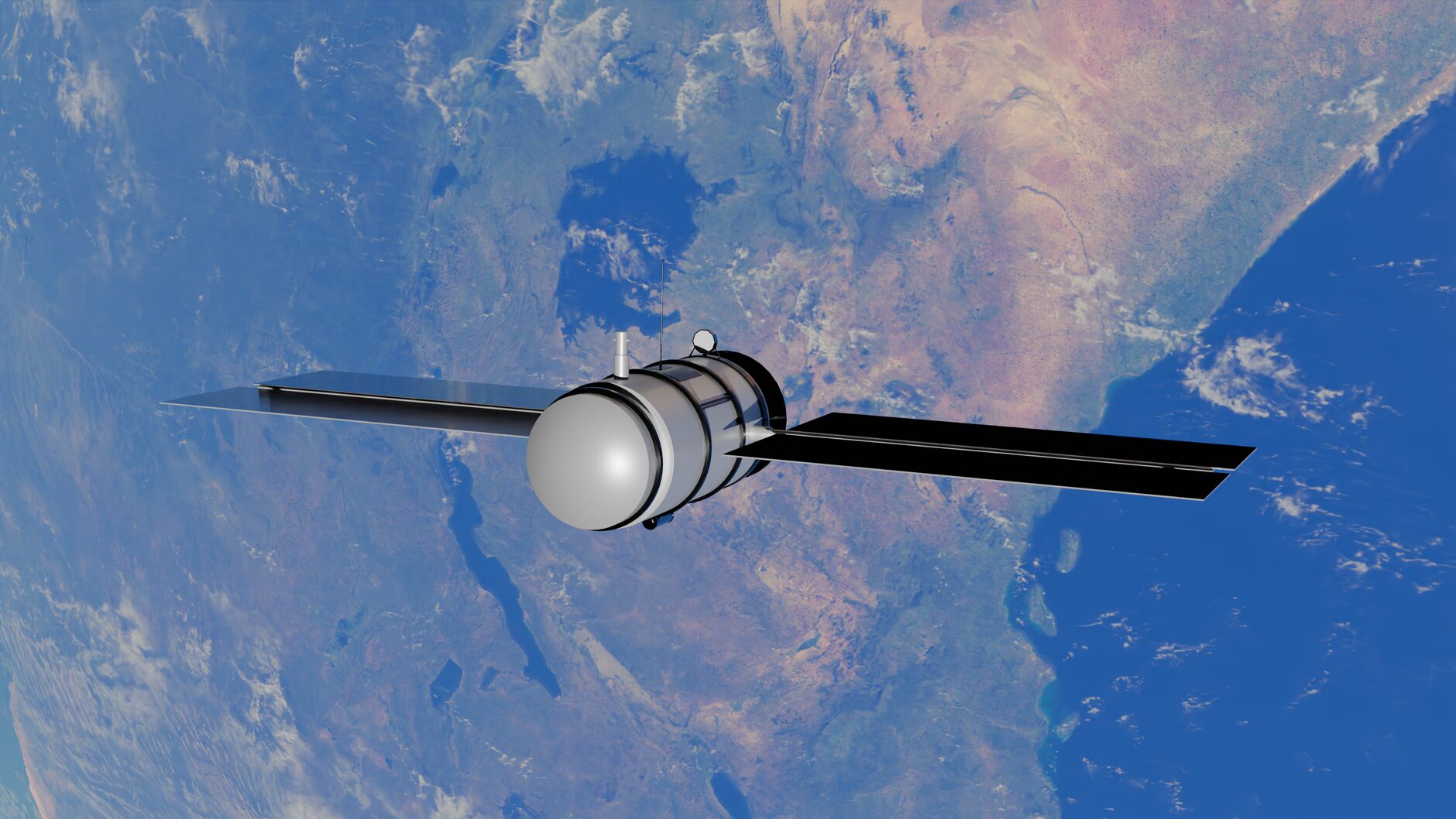
Protecting Satellites From Vibrations is essential for ensuring their functionality and longevity. Recent advancements in technology have provided innovative solutions to safeguard these vital assets in space.
Understanding Satellite Vulnerabilities
Satellites play a crucial role in modern communication, weather forecasting, and navigation. However, they are vulnerable to various forms of stress, particularly vibrations generated during launch and operation. Understanding satellite vulnerabilities is essential for ensuring their longevity and functionality.
One primary source of vibration is the launch phase, where rockets generate intense forces that can impact satellite integrity. Once in orbit, satellites also experience vibrations from their own mechanisms, such as moving parts and propulsion systems. Additionally, external factors like micrometeoroid impacts can introduce unforeseen vibrations, which can disrupt delicate instruments.
To effectively mitigate these vibrations, engineers employ several strategies:
- Vibration Damping Materials: The use of specialized materials that absorb and dissipate vibrational energy helps protect sensitive components.
- Robust Structural Design: Designing satellites with reinforced structures can better withstand the forces encountered during launch and operational phases.
- Active Control Systems: Implementing systems that can adjust satellite components in real-time to counteract vibrations is increasingly common.
By focusing on these methods, the industry can significantly enhance the resilience of satellites, ensuring they remain operational and effective for their intended missions.
Importance of Vibration Control
In the realm of aerospace engineering, protecting satellites from vibrations is of paramount importance. Satellites are constantly exposed to a variety of mechanical stresses, particularly during launch and in orbit. These vibrations can stem from several sources, including rocket engines, atmospheric disturbances, and even the satellite’s own operational mechanisms.
Understanding the significance of vibration control is essential for ensuring the longevity and functionality of these vital assets. The potential consequences of inadequate vibration management can be severe, including:
- Component Failure: Excessive vibrations can lead to the malfunction of critical onboard systems, resulting in mission failure.
- Structural Damage: The integrity of the satellite’s structure may be compromised, leading to deformation or breakage.
- Data Loss: Instruments that collect data may be disrupted, causing inaccuracies or loss of valuable information.
By implementing effective vibration control techniques, engineers can mitigate these risks. Strategies such as advanced damping systems, robust materials selection, and thorough testing during the design phase are key to maintaining satellite performance. Ultimately, prioritizing vibration control not only protects the satellite itself but also safeguards the vast investments made in space exploration and technology.
Technological Innovations in Protection
As satellite technology continues to advance, the need for effective methods of protecting satellites from vibrations has become increasingly critical. Recent technological innovations have emerged to address this challenge, providing enhanced solutions for maintaining satellite integrity during launch and operation.
One significant advancement is the development of advanced vibration dampers. These systems are designed to absorb and dissipate energy from vibrations, ensuring that sensitive components remain unaffected. Some of the most effective dampers include:
- Passive dampers: Utilizing materials that absorb shock, these dampers are simple and reliable.
- Active dampers: These systems use sensors and actuators to counteract vibrations in real-time, offering a dynamic response to external forces.
- Hybrid dampers: Combining both passive and active technologies, hybrid systems provide comprehensive protection against a wide range of vibration frequencies.
Additionally, advancements in materials science have led to the creation of lightweight, high-damping materials that can be integrated into satellite structures. These materials not only reduce overall weight but also enhance vibration resistance.
Finally, simulation and modeling tools have improved, allowing engineers to predict and mitigate vibration effects during the design phase, ensuring that satellites are better equipped to withstand the harsh conditions of space.
Materials Used for Vibration Damping
To effectively address the challenge of protecting satellites from vibrations, various materials have been developed and utilized for vibration damping. These materials play a crucial role in minimizing the impact of vibrations caused by launch, operational maneuvers, and environmental factors.
- Silicone Rubber: Known for its flexibility and durability, silicone rubber is commonly used in vibration isolation mounts. It effectively absorbs shock and dampens vibrations, ensuring satellite components remain stable.
- Foam Materials: Polyurethane and other foam materials are used for their lightweight properties and excellent damping capabilities. They can be molded to fit specific components, providing tailored vibration protection.
- Advanced Composites: Materials such as carbon fiber reinforced polymers offer high stiffness-to-weight ratios, making them ideal for structural components while also providing vibration resistance.
- Viscoelastic Materials: These materials combine the properties of liquids and solids, allowing them to dissipate energy from vibrations effectively. They are often integrated into satellite designs to enhance overall stability.
By utilizing these advanced materials, engineers can enhance the reliability and longevity of satellites, ensuring they perform optimally despite the challenges posed by vibrations during their operational lifespan.
Case Studies of Successful Implementations
Real-world applications of techniques for protecting satellites from vibrations can be found in various case studies that highlight successful implementations across the aerospace industry. These examples demonstrate how innovative solutions can effectively mitigate the risks associated with vibrations during launch and operation.
- NASA’s James Webb Space Telescope: During its development, engineers incorporated advanced vibration isolation systems to shield sensitive instruments from launch-induced shock waves. The results were promising, showing a significant reduction in vibration levels, which ultimately contributed to the mission’s success.
- European Space Agency’s Rosetta Mission: Rosetta utilized a unique combination of elastic mounts and damping materials to protect its onboard systems from vibrations. This approach not only safeguarded the equipment but also ensured the longevity and reliability of the mission.
- SpaceX Falcon 9 Rockets: SpaceX has implemented state-of-the-art vibration control systems in their Falcon 9 rockets. These systems have been tested rigorously, leading to enhanced performance and a higher success rate in satellite deployments.
These case studies underscore the importance of rigorous testing and innovative design in protecting satellites from vibrations. By employing effective vibration control methods, organizations can enhance the reliability and functionality of their satellite missions.
Future Trends in Satellite Protection
As the demand for satellite technology continues to grow, the need for effective methods of protecting satellites from vibrations becomes increasingly critical. Future trends in satellite protection are expected to leverage advancements in materials science and engineering to enhance vibration control mechanisms.
Key emerging trends include:
- Smart Materials: Researchers are developing materials that can adapt to changing conditions, allowing for real-time adjustments to vibration damping. These materials promise to improve the resilience of satellites in dynamic environments.
- Active Vibration Control Systems: The integration of sensors and actuators in satellite design will enable active monitoring and adjustment of vibration levels, providing a more responsive approach to vibration management.
- Miniaturization of Technologies: As satellite technology evolves, there is a trend towards miniaturizing vibration protection systems. Smaller, more efficient systems can be integrated into compact satellite designs without compromising performance.
- Increased Collaboration: The aerospace industry is likely to see increased collaboration between researchers and manufacturers, fostering innovation in protective technologies and enhancing the overall effectiveness of vibration control strategies.
In summary, protecting satellites from vibrations will benefit significantly from these innovations, ensuring greater reliability and longevity in the harsh conditions of space.
Challenges in Vibration Management
Despite advancements in technology, protecting satellites from vibrations presents several challenges that engineers must address. These challenges can significantly impact the performance and lifespan of satellites in orbit.
One of the primary issues is the complex environment in which satellites operate. The harsh conditions of space, including temperature fluctuations and radiation, can affect the materials and systems designed to dampen vibrations. Additionally, the deployment phase, where rockets launch satellites into orbit, subjects them to intense vibrations and accelerations that can compromise their structural integrity.
Another challenge is the variability of vibration sources. Different satellite components can generate vibrations at varying frequencies, complicating the development of effective damping solutions. Engineers must consider:
- The interaction of multiple vibration sources.
- The satellite’s design and configuration.
- The specific mission requirements and operational conditions.
Moreover, ensuring that vibration damping techniques do not add excessive weight is crucial, as this can affect the satellite’s overall performance. The balance between effective vibration control and maintaining a lightweight design is a persistent challenge in satellite engineering.
In summary, while protecting satellites from vibrations is essential, engineers face numerous hurdles that require innovative and adaptable solutions.
Expert Opinions on Best Practices
Experts in the field of satellite engineering emphasize the critical need for protecting satellites from vibrations to ensure their longevity and performance. According to Dr. Emily Chen, a leading aerospace engineer, “Vibration management should be integrated into the design phase of satellite development. Early intervention can prevent catastrophic failures later.”
Additionally, Professor Mark Timmons, who specializes in materials science, highlights the importance of selecting the right damping materials. He notes that “using advanced composite materials can significantly reduce the amplitude of vibrations, enhancing the satellite’s reliability in orbit.”
In discussions about best practices, industry analyst Sarah Lopez suggests that “a combination of passive and active vibration control systems often yields the most effective results.” She explains that passive systems are cheaper and simpler, while active systems provide real-time adjustments to mitigate vibrations.
Furthermore, Dr. Rajiv Patel, an expert in satellite dynamics, stresses the importance of rigorous testing. “Before deployment, satellites should undergo extensive vibration testing to simulate the conditions they will face in space,” he advises. This proactive approach ensures that any vulnerabilities are addressed and mitigated effectively.
Overall, the consensus among experts is clear: implementing proven methods for protecting satellites from vibrations is essential for mission success and operational longevity.
One of the most effective strategies for Protecting Satellites From Vibrations is the use of advanced damping materials that absorb shock. Additionally, engineers are continuously researching new technologies aimed at enhancing the methods for Protecting Satellites From Vibrations during launch and operation.
Photo by Zelch Csaba on Pexels
References
Related reading
Stocks to Watch: What Are the Best Picks This Week? · India Pacific development partnership: Proven benefits for growth · Lifestyle Interventions Ovarian Syndrome: Proven Benefits