
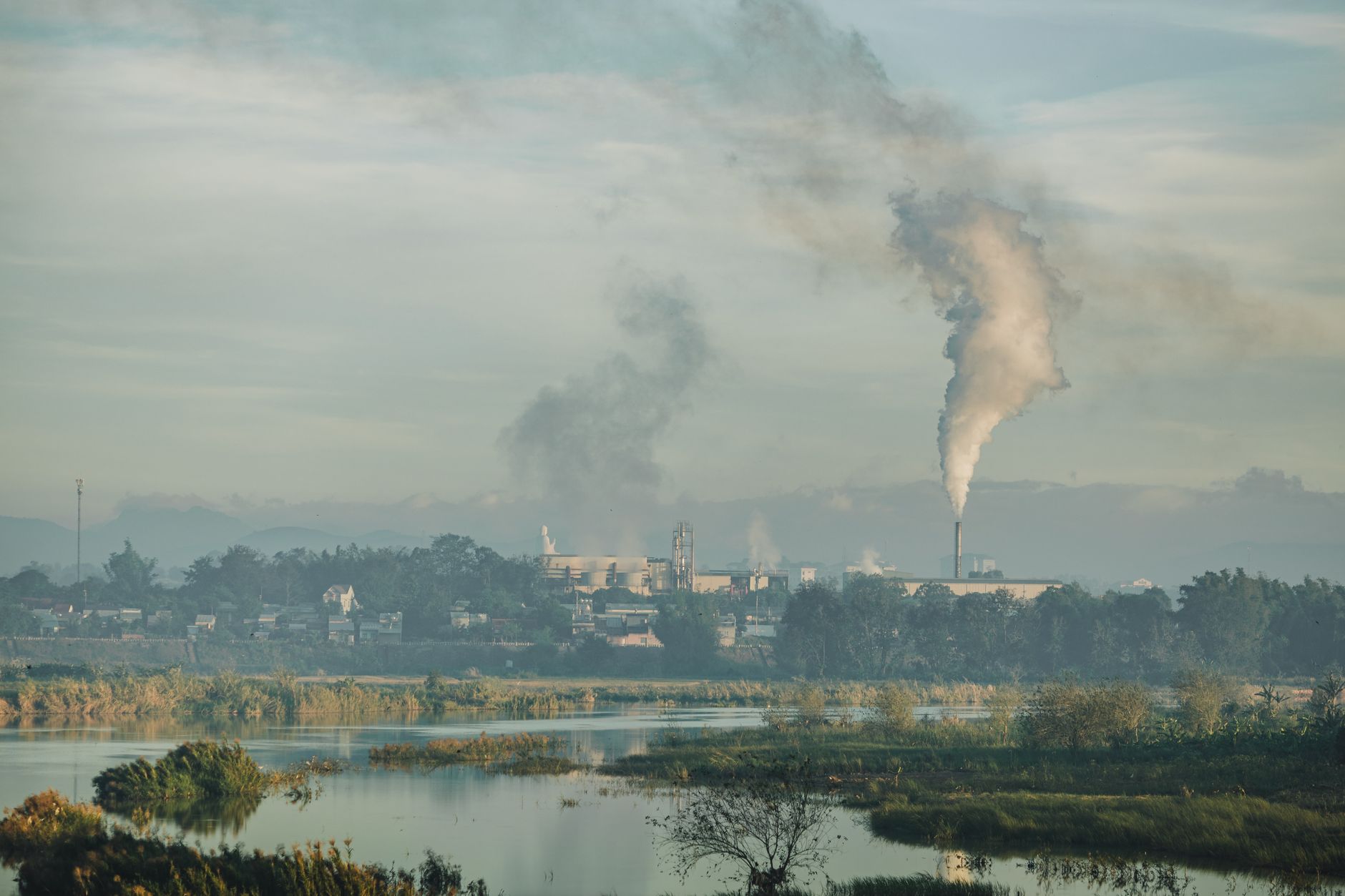
polluted air lung damage is a growing concern as Indian cities face severe air quality issues. A recent study highlights the long-term impacts on infants’ health.
Understanding Air Pollution
Air pollution has emerged as a significant threat to public health, particularly in densely populated urban areas. The quality of air we breathe is deteriorating rapidly, with harmful pollutants released from vehicles, industrial activities, and burning of fossil fuels. These pollutants not only affect adults but have a profound impact on vulnerable populations, especially infants and children.
Recent studies indicate a strong correlation between polluted air and long-term lung damage, particularly among babies who are still developing their respiratory systems. Exposure to high levels of air pollution can lead to various health issues, including:
- Respiratory illnesses: Increased incidence of asthma and bronchitis.
- Decreased lung function: Long-term exposure can hinder lung development.
- Increased vulnerability: Babies exposed to polluted air may develop chronic conditions later in life.
As cities like those in India struggle with toxic air quality, understanding the implications of polluted air lung damage becomes crucial. This situation calls for urgent measures to improve air quality and protect the health of future generations.
The Impact on Infant Health
The impact of polluted air on infant health is a growing concern among medical professionals and parents alike. Recent studies have indicated that exposure to high levels of air pollution can lead to significant lung damage in infants, which may have long-lasting effects on their overall health.
Infants are particularly vulnerable due to their developing respiratory systems. Research has shown that:
- Prolonged exposure to polluted air can result in reduced lung function.
- Air quality directly influences the incidence of respiratory illnesses in young children.
- Early-life exposure to pollutants is associated with chronic conditions that may persist into adulthood.
As cities become increasingly engulfed in smog, the question arises: is it worth the risk of exposing our children to such dangerous environments? The potential for polluted air to cause irreversible lung damage is alarming, prompting calls for stricter regulations on emissions and increased awareness of the health risks associated with air pollution.
Parents are urged to stay informed about air quality levels and take necessary precautions to protect their infants from the detrimental effects of polluted air.
Long-Term Effects of Polluted Air
Long-term exposure to polluted air can have severe consequences for respiratory health, particularly in vulnerable populations such as children and the elderly. A recent study highlights the alarming reality that polluted air can lead to lasting lung damage, even in infants. This damage often manifests as chronic respiratory conditions, which may require lifelong management and significantly impact the quality of life.
Research indicates that the effects of polluted air can extend far beyond immediate health concerns. The following are notable long-term effects:
- Development of Asthma: Children exposed to high levels of air pollutants are at an increased risk of developing asthma and other chronic respiratory disorders.
- Reduced Lung Function: Continuous exposure can result in reduced lung capacity, impacting overall physical health and activity levels.
- Increased Risk of Infections: Polluted air can weaken the respiratory system, making individuals more susceptible to respiratory infections.
- Premature Aging of Lungs: Long-term exposure accelerates lung aging, leading to respiratory issues typically associated with older adults.
As cities grapple with rising pollution levels, understanding these long-term effects becomes increasingly vital for public health initiatives.
What Parents Need to Know
As urban areas continue to grapple with rising levels of air pollution, it is vital for parents to understand the potential risks associated with polluted air lung damage, especially for their children. Recent studies have highlighted alarming findings regarding the long-term effects of exposure to contaminated air, particularly in developing infants and young children.
Parents should be aware of several key factors:
- Vulnerability of Children: Children’s lungs are still developing, making them more susceptible to the harmful effects of polluted air.
- Common Sources of Pollution: Major contributors include vehicle emissions, industrial discharges, and household pollutants, all of which can severely impact air quality.
- Health Symptoms: Prolonged exposure can lead to respiratory issues, such as asthma and reduced lung function, which may persist into adulthood.
- Protective Measures: Parents can minimize their children’s exposure by keeping them indoors during high pollution days and using air purifiers at home.
By staying informed and taking proactive steps, parents can help protect their children from the detrimental effects of polluted air lung damage and promote healthier futures.
Government Response to Air Quality
In response to the alarming levels of air pollution, particularly in urban areas, governments are taking various measures to combat this pressing issue. The recent study highlighting the long-term lung damage caused by polluted air among infants has spurred officials to act more decisively.
Some of the key actions being implemented include:
- Regulatory Changes: Stricter regulations on industrial emissions and vehicle exhaust standards are being enforced to reduce harmful pollutants.
- Public Awareness Campaigns: Governments are launching initiatives to educate citizens about the dangers of polluted air, especially its impact on health and lung development.
- Investment in Green Spaces: Cities are prioritizing the creation and maintenance of parks and green areas, which can help improve air quality and provide healthier environments.
- Promotion of Clean Energy: Transitioning to renewable energy sources is becoming a focus, as this can significantly reduce air pollution from traditional fossil fuels.
While these measures are a step in the right direction, experts emphasize that ongoing commitment and further action are essential to effectively address the risks associated with polluted air lung damage.
Preventive Measures for Families
As families navigate the challenges posed by polluted air, implementing preventive measures can make a significant difference in protecting lung health. Here are some effective strategies:
- Stay Informed: Regularly check air quality indices in your area to inform outdoor activities.
- Limit Outdoor Activities: On days when pollution levels are high, keep children indoors, especially during peak traffic hours.
- Create a Clean Indoor Environment: Use air purifiers and ensure proper ventilation to reduce indoor pollutants.
- Avoid Smoking: Prohibit smoking inside the home to prevent additional air contamination.
- Encourage Healthy Habits: Promote activities that strengthen lung function, such as regular exercise and a balanced diet rich in antioxidants.
- Use Masks: When outdoor air quality is poor, consider using masks designed to filter out harmful particles.
By taking these steps, families can mitigate the risks associated with polluted air lung damage and safeguard their health, particularly for vulnerable infants and young children.
Community Initiatives for Clean Air
In response to the alarming effects of polluted air lung damage, many communities are taking proactive steps to improve air quality. Local initiatives aim to raise awareness and implement practical solutions to combat pollution.
Some of the key community initiatives include:
- Tree Planting Campaigns: Residents organize events to plant trees, which help absorb pollutants and provide cleaner air.
- Public Awareness Programs: Workshops and seminars educate citizens on the dangers of air pollution and encourage them to reduce their carbon footprint.
- Collaboration with Local Businesses: Partnerships with businesses promote eco-friendly practices, such as reducing emissions from delivery vehicles.
- Air Quality Monitoring: Community groups have established monitoring systems to track pollution levels, allowing residents to stay informed and take action when necessary.
These initiatives not only address the immediate concerns of polluted air lung damage but also foster a sense of community responsibility. By working together, residents hope to create a healthier environment for future generations and mitigate the risks associated with air pollution.
Future of Urban Air Quality in India
The future of urban air quality in India remains a pressing concern as cities grapple with rising pollution levels. With reports indicating significant long-term lung damage due to polluted air, urgent action is needed to address this crisis.
Several factors contribute to the deteriorating air quality in Indian cities, including:
- Increased vehicular emissions
- Industrial discharges
- Construction dust
- Burning of waste
As urbanization accelerates, the demand for cleaner air becomes more critical. Experts emphasize the importance of implementing effective pollution control measures and promoting sustainable practices. Some potential solutions include:
- Enhancing public transportation systems
- Encouraging the use of electric vehicles
- Planting more trees and creating green spaces
- Raising public awareness about the dangers of polluted air
Without a concerted effort to combat polluted air, the risk of lung damage, especially in vulnerable populations like infants and the elderly, will only increase. The future of urban air quality in India lies in collective action and innovative approaches to create a healthier environment for all.
Many studies have shown that prolonged exposure to polluted air lung damage can lead to serious respiratory diseases. Understanding the long-term effects of polluted air lung damage is crucial for public health initiatives aimed at reducing air pollution.
Photo by Thái Trường Giang on Pexels