
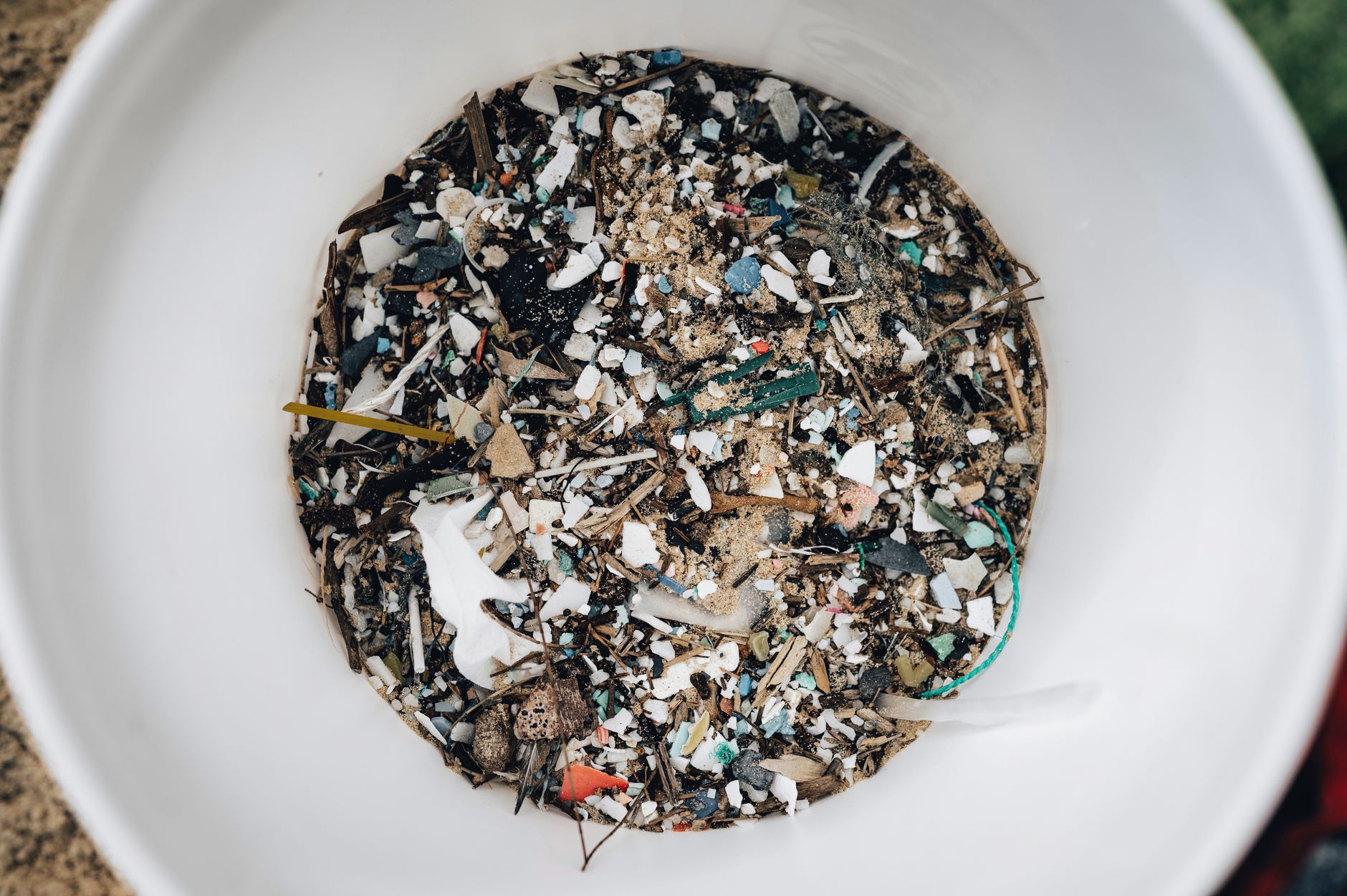
Microplastics in soil pose a significant global threat by acting like a Trojan horse to deliver toxins. This alarming phenomenon raises concerns about soil health and food safety.
Understanding Microplastics in Soil
The presence of microplastics in soil is an emerging environmental concern that has gained significant attention in recent years. These tiny plastic particles, often less than 5 millimeters in size, originate from various sources, including the breakdown of larger plastic debris and the use of synthetic textiles. As they accumulate in agricultural fields and natural ecosystems, their impact on soil health and food safety becomes increasingly alarming.
Microplastics can act like a “Trojan horse,” carrying toxic substances such as pesticides, heavy metals, and other pollutants into the soil. Once in the ecosystem, they can adsorb these harmful chemicals, ultimately leading to their uptake by plants and potentially entering the food chain. This poses a dual risk: not only do microplastics themselves present a physical hazard, but the toxins they transport can have detrimental effects on both human health and biodiversity.
Furthermore, the persistence of microplastics in the environment means that they can remain in soil for years, continuously interacting with microorganisms and altering soil chemistry. The long-term ecological consequences are still being studied, but the indications suggest a need for immediate action. It is crucial to address the sources of microplastics and develop effective remediation strategies to mitigate their spread and protect soil integrity.
The Impact of Toxins on Health
The presence of microplastics in soil has raised significant concerns regarding their potential impact on human health. These tiny plastic particles, often less than 5mm in size, can act as carriers for various harmful toxins and chemicals.
When microplastics infiltrate the soil, they may absorb and transport a range of hazardous substances, including:
- Heavy metals, such as lead and cadmium
- Pesticides and herbicides
- Pharmaceutical residues
- Persistent organic pollutants
These toxins can enter the food chain through crops, posing risks to both plants and animals. As plants absorb nutrients from contaminated soil, they may also uptake these toxic substances, ultimately affecting human health when consumed.
Research indicates that exposure to these toxins may lead to a variety of health issues, including:
- Endocrine disruption
- Neurological disorders
- Reproductive health problems
- Increased cancer risk
Furthermore, the long-term effects of microplastics in soil remain largely unknown, making it crucial for scientists and health officials to address this hidden threat and its implications for public health.
How Microplastics Enter the Soil
Microplastics in soil have emerged as a significant environmental concern, primarily due to their complex pathways of entry into terrestrial ecosystems. Various human activities contribute to the prevalence of these tiny plastic particles in the ground.
- Agricultural Practices: The use of plastic mulches and fertilizers containing microplastics can directly introduce these particles into the soil. As these materials degrade, they release microplastics that accumulate in the soil over time.
- Waste Management: Inadequate disposal of plastic waste often leads to the fragmentation of larger plastics. These smaller pieces can be carried into the soil through runoff or wind erosion, further increasing the concentration of microplastics in agricultural lands.
- Urban Runoff: Urban areas contribute to the problem as rainwater washes away debris from roads and other surfaces, transporting microplastics into nearby soil systems.
- Atmospheric Deposition: Microplastics can also be carried by the wind and deposited into the soil from the atmosphere, affecting even remote areas.
As microplastics infiltrate the soil, they can act as carriers for harmful chemicals, compounding their impact on both the environment and human health. Understanding how microplastics enter the soil is crucial for developing strategies to mitigate their effects.
Global Response to Soil Pollution
As the issue of microplastics in soil gains attention, governments and organizations worldwide are beginning to take action. Recognizing the potential dangers posed by these tiny particles, many countries are implementing regulations aimed at reducing plastic waste and monitoring soil health.
Several initiatives focus on the following key strategies:
- Research Funding: Increased funding for scientific studies is crucial to understand the full extent of microplastics in soil and their impact on ecosystems and human health.
- Public Awareness Campaigns: Education programs are being launched to inform the public about the sources and dangers of microplastics, encouraging more sustainable practices.
- Legislation: New laws are being introduced to limit the use of single-use plastics and promote biodegradable alternatives, which could reduce the introduction of microplastics into soil.
International collaboration is also gaining momentum. Countries are sharing research findings and strategies to combat soil pollution caused by microplastics. For instance, the European Union has initiated policies that include monitoring soil contamination and establishing guidelines for plastic waste management.
These global responses represent a critical step in mitigating the hidden threat of microplastics in soil and safeguarding health and the environment for future generations.
Future of Soil Health
The future of soil health is increasingly threatened by the pervasive presence of microplastics in soil. As researchers continue to uncover the extent of this issue, it becomes clear that the implications extend far beyond just environmental concerns. The infiltration of microplastics disrupts the delicate balance of soil ecosystems, leading to a variety of adverse effects.
One of the primary concerns is the potential for microplastics to act as carriers for harmful toxins. These particles can absorb and concentrate pollutants, which may later be released into the soil and subsequently enter the food chain. This phenomenon raises alarms about food safety and the health of ecosystems that rely on healthy soils.
Moreover, the long-term effects of microplastics in soil are still largely unknown, creating uncertainty for farmers, policymakers, and environmentalists alike. In response, there is an urgent need for innovative solutions and policies to mitigate soil pollution and restore soil health.
Key measures include:
- Implementing stricter regulations on plastic waste management.
- Encouraging sustainable agricultural practices that minimize plastic use.
- Investing in research to better understand the interactions between microplastics and soil organisms.
Only through a concerted effort can we hope to protect our soils and, by extension, our health.
Photo by Alfo Medeiros on Pexels
Where this came from
Related stories
Orbital weapons admission: A clear moment in global tensions · Worst September Start: Dow’s Historic Decline Since 2008 · Honor Magic9 Pro Max: The Best Smartphone at Venice Film Festival