
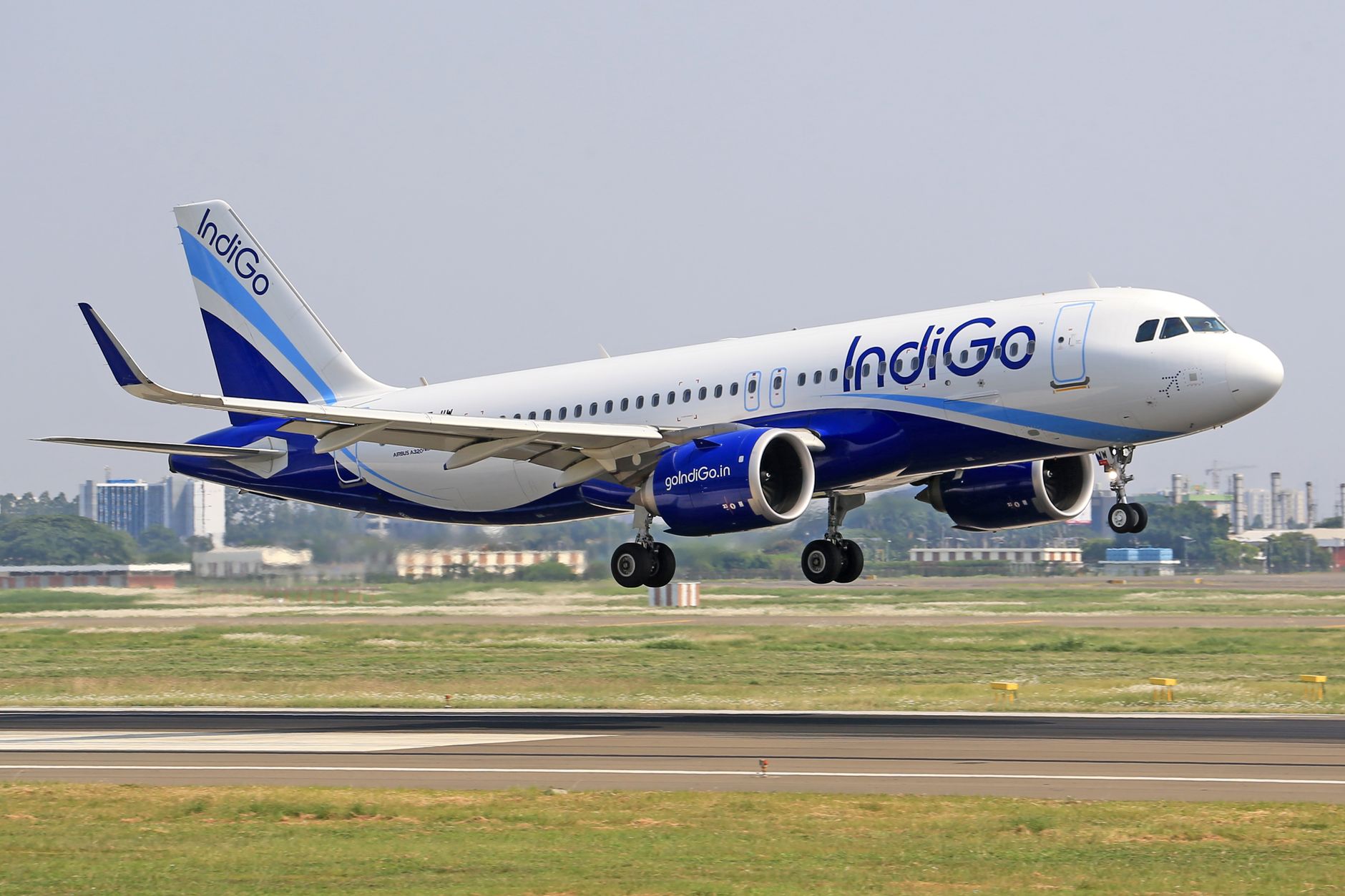
The IndiGo flight fire incident has raised concerns after a powerbank triggered a fire on a Delhi-Chennai flight. The plane was diverted to Hyderabad for safety.
What happened during the IndiGo flight incident?
On a recent IndiGo flight, a fire incident occurred that sent shockwaves through the aviation community and raised concerns about passenger safety. The emergency erupted during a routine flight from Delhi to Chennai when a power bank, reportedly left unattended, ignited and caused flames to erupt in the cabin. Passengers were understandably alarmed as the crew immediately sprang into action to manage the situation.
The captain quickly made the decision to divert the aircraft to Hyderabad, prioritizing the safety of everyone on board. In a coordinated effort, the cabin crew managed to extinguish the fire using onboard firefighting equipment. Fortunately, the quick response ensured that no injuries were reported among the passengers and crew. The plane landed safely at Rajiv Gandhi International Airport, where emergency services were on standby to assist.
The incident has prompted a review of safety protocols regarding the transport of electronic devices, particularly lithium-ion batteries, which can pose serious risks. As investigations continue, the IndiGo flight fire incident serves as a stark reminder of the potential dangers associated with carrying personal electronics during air travel.
The role of powerbanks in aviation safety
The recent IndiGo flight fire incident has raised significant concerns regarding the safety of powerbanks in aviation. These portable chargers, commonly used for mobile devices, can pose serious risks when not handled properly. The incident highlights the potential hazards associated with lithium-ion batteries, which are the primary components of most powerbanks.
When exposed to certain conditions, such as high temperatures or physical damage, lithium-ion batteries can overheat and catch fire. In the case of the IndiGo flight, it is reported that a passenger’s powerbank ignited, leading to an emergency situation that required the plane to divert to Hyderabad.
To mitigate these risks, airlines and aviation authorities have implemented specific guidelines regarding the transportation of powerbanks. Passengers are typically advised to:
- Keep powerbanks in carry-on luggage rather than checked baggage.
- Ensure that powerbanks meet the voltage and capacity requirements set by the airline.
- Avoid using damaged or defective powerbanks.
- Turn off powerbanks when not in use to prevent accidental activation.
The IndiGo flight fire incident serves as a critical reminder of the importance of adhering to safety regulations regarding powerbanks during air travel.
Immediate actions taken by crew and passengers
In the wake of the IndiGo flight fire incident, the crew and passengers responded swiftly to mitigate the situation and ensure safety. As soon as smoke was detected in the cabin, the flight attendants immediately initiated emergency protocols. They instructed passengers to remain calm while assessing the source of the fire, which was later identified as a malfunctioning power bank.
Passengers were evacuated using the emergency exits, with flight attendants guiding them to leave their belongings behind and move to safety. The crew utilized fire extinguishers to contain the smoke and prevent the situation from escalating further. Additionally, the cabin crew communicated with ground control to relay crucial information about the emergency, allowing for quick coordination with emergency services.
Once the aircraft landed safely in Hyderabad, emergency responders were on standby and quickly attended to the passengers. Medical personnel assessed any injuries, while others ensured that the area was clear of any potential hazards. The prompt and decisive actions of both the crew and passengers played a vital role in managing the IndiGo flight fire incident effectively, demonstrating the importance of training and preparedness in aviation emergencies.
How to safely travel with powerbanks
Traveling with powerbanks can be a necessity for many passengers, but it is crucial to adhere to safety guidelines to prevent incidents like the IndiGo flight fire incident. Here are some essential tips for safely traveling with powerbanks:
- Check airline regulations: Before packing your powerbank, review your airline’s specific rules regarding battery capacity and restrictions.
- Know the capacity limits: Most airlines allow powerbanks with a capacity of up to 100Wh (watt-hours) without prior approval. For those between 100Wh and 160Wh, approval is often required.
- Use protective cases: Store powerbanks in a protective case to prevent accidental activation or damage during transit.
- Avoid overcharging: Always charge your powerbank to its recommended levels and never exceed its maximum capacity to reduce the risk of overheating.
- Keep it in carry-on luggage: Powerbanks should always be carried in your hand luggage instead of checked baggage, as the crew can quickly access them in case of an emergency.
By following these guidelines, travelers can minimize risks and ensure a safer flying experience, avoiding scenarios similar to the IndiGo flight fire incident.
Impact of the incident on IndiGo’s reputation
The recent IndiGo flight fire incident has raised significant concerns regarding the airline’s reputation and operational integrity. Following the emergency situation, which involved a fire triggered by a power bank, passengers and aviation experts alike have begun to scrutinize the airline’s safety protocols more closely.
IndiGo, one of the largest low-cost carriers in India, has built a strong brand over the years. However, incidents like this can lead to lasting damage to public perception. Passengers may question the airline’s commitment to safety, particularly in light of the rapid response from the crew and the successful diversion to Hyderabad.
In the wake of the incident, customers are likely to seek reassurances regarding their safety during future flights. The airline has issued statements emphasizing its dedication to passenger safety, but the impact on consumer confidence remains to be seen. Transparency about the investigation and any measures taken to prevent similar occurrences will be crucial for IndiGo.
Moreover, potential travelers might reconsider their choices, leading to shifts in market dynamics as they weigh safety against cost. Maintaining a positive reputation will require IndiGo to actively engage with its customers and reinforce its safety record through effective communication.
Authorities’ response to the fire incident
In the aftermath of the IndiGo flight fire incident, authorities swiftly mobilized to address the situation and ensure passenger safety. The Directorate General of Civil Aviation (DGCA) launched an immediate investigation into the circumstances surrounding the fire, which was reportedly triggered by a passenger’s powerbank.
Officials from the DGCA were seen at the Hyderabad airport, where the flight made an emergency landing. They conducted interviews with the crew and passengers to gather detailed accounts of the incident. The agency emphasized the importance of adhering to safety regulations regarding the transport of lithium-ion batteries, a common component of powerbanks that can pose a fire risk if damaged or overheated.
In response to the fire incident, IndiGo’s management issued a statement reaffirming their commitment to passenger safety and cooperation with regulatory authorities. They also provided counseling and support for affected passengers, ensuring they were informed about the ongoing investigation.
Furthermore, safety briefings and training sessions for crew members are being reviewed to prevent similar occurrences in the future. Authorities continue to assess the implications of the IndiGo flight fire incident on broader aviation safety protocols.
Lessons learned from the IndiGo flight fire
The IndiGo flight fire incident has underscored the critical importance of aviation safety measures and passenger awareness. Following the alarming event, several key lessons have emerged that can enhance future safety protocols.
- Enhanced Training: Flight crews must undergo rigorous training to handle emergency situations, including fires caused by electronic devices. Regular simulations can prepare them for worst-case scenarios.
- Powerbank Guidelines: The incident has raised questions about current regulations regarding the transport of powerbanks. Clearer guidelines should be established, emphasizing safe usage and storage during flights.
- Passenger Education: Travelers need to be educated on the risks associated with carrying powerbanks. Information campaigns can help passengers understand how to properly pack and use these devices.
- Equipment Checks: Airlines should implement stricter pre-flight checks on electronic devices. Ensuring that all passenger belongings are compliant with safety standards can mitigate risks.
- Incident Reporting: Establishing a standardized protocol for reporting and responding to in-flight incidents can improve overall safety and help airlines learn from events like the IndiGo flight fire incident.
Incorporating these lessons can significantly enhance the safety of air travel and protect passengers from similar incidents in the future.
Photo by Jeffry Surianto on Pexels
Read the original
Related stories
Taxes on Busking: What’s the Right Way to Regulate? · Hurricane Isaias Travel Tips: Safe and Simple Guidance · Fit India Sunday: Dr. Mandaviya’s Proven Leadership in Varanasi