
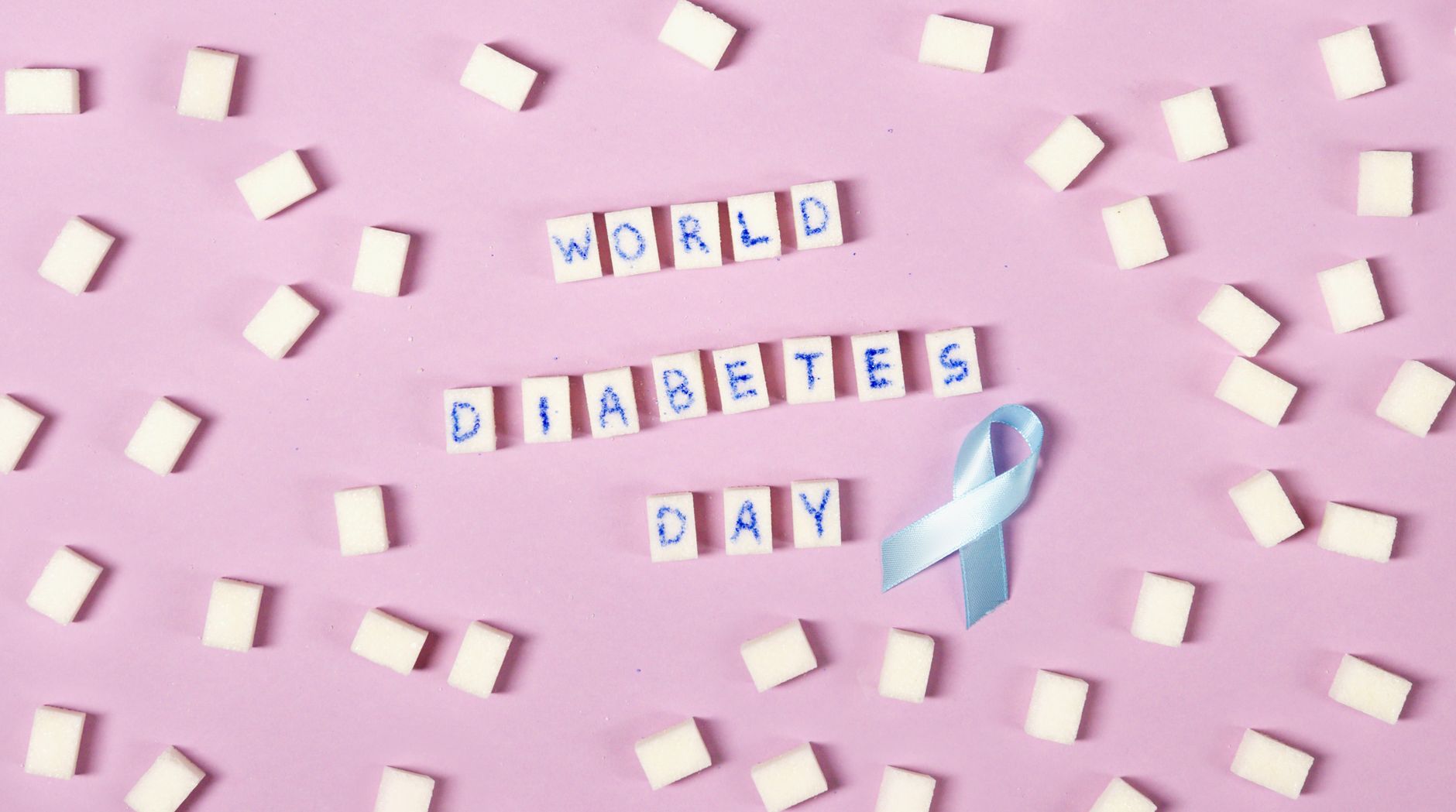
diabetes in Kashmir is becoming a critical health issue, with rising cases prompting experts to examine the region’s traditional cuisine, particularly the famed wazwan.
Understanding the Diabetes Surge in Kashmir
The recent surge in diabetes in Kashmir has raised significant health concerns among experts and residents alike. This alarming trend highlights the need for a comprehensive understanding of the underlying factors contributing to the rise in diabetes cases in the region.
One of the primary contributors to this health crisis is the traditional Kashmiri diet, particularly the famed wazwan, which is rich in carbohydrates and fats. While this gastronomic heritage is celebrated, it has been linked to unhealthy eating habits that may predispose individuals to diabetes.
Additionally, the sedentary lifestyle prevalent in many areas of Kashmir further exacerbates the situation. With limited opportunities for physical activity and widespread urbanization, the population is increasingly at risk.
Research indicates that genetic predisposition may also play a role in the rising diabetes rates, with many families having a history of metabolic disorders. As awareness grows, it is crucial for healthcare officials to address these intertwined factors to combat the diabetes epidemic effectively.
Community initiatives focused on promoting healthier eating habits and active lifestyles could be pivotal in reversing this trend.
The Role of Wazwan in Health
The traditional Kashmiri feast, known as wazwan, plays a significant role in the region’s cultural identity but is now being scrutinized for its impact on health, particularly concerning diabetes in Kashmir. This elaborate multi-course meal often features rich dishes that are high in calories, fats, and sugars, contributing to unhealthy eating habits.
As the prevalence of diabetes escalates among the local population, health experts are urging a reevaluation of these culinary traditions. While the wazwan symbolizes hospitality and cultural heritage, its ingredients and preparation methods may contribute to the growing health crisis.
Key factors related to the wazwan that are concerning include:
- High-fat content: Many dishes are prepared using ghee or oil, which can lead to weight gain.
- Excessive sugars: Desserts often contain large amounts of sugar, raising blood sugar levels.
- Portion sizes: The sheer volume of food served encourages overeating.
Addressing these issues while preserving cultural values is crucial for combating diabetes in Kashmir.
Lifestyle Changes for Better Health
The increasing prevalence of diabetes in Kashmir has prompted health experts to emphasize the importance of lifestyle changes for better health. With traditional diets and sedentary habits contributing to this alarming trend, adopting healthier practices is essential for the community.
Making small yet impactful adjustments can significantly reduce the risk of diabetes. Key lifestyle changes include:
- Balanced Diet: Incorporating more fruits, vegetables, and whole grains while reducing the intake of refined sugars and carbohydrates can help maintain healthy blood sugar levels.
- Regular Exercise: Engaging in physical activities such as walking, cycling, or traditional dance can improve insulin sensitivity and aid in weight management.
- Hydration: Drinking plenty of water and limiting sugary drinks can help control blood sugar levels and promote overall health.
- Routine Health Check-ups: Regular monitoring of blood sugar levels and consulting healthcare professionals can facilitate early detection and management of diabetes in Kashmir.
By embracing these lifestyle changes, individuals can take proactive steps towards preventing and managing diabetes, ultimately fostering a healthier future for the region.
Expert Opinions on Traditional Diets
Experts are increasingly emphasizing the importance of traditional diets in tackling the growing issue of diabetes in Kashmir. The region’s culinary heritage, particularly the famed wazwan, has come under scrutiny as a potential contributor to the health crisis. Many believe that integrating traditional, healthier cooking methods could play a crucial role in reversing diabetes trends.
Nutritionist Dr. Shahid Malik notes, “The traditional Kashmiri diet, rich in vegetables and whole grains, can be a powerful tool against diabetes if prepared mindfully.” He advocates for a shift back to these roots, suggesting that the excessive consumption of rich meats and fried foods prevalent in modern diets contributes to the rise in diabetes cases.
Moreover, cultural historian Amina Bhat highlights, “Kashmir’s ancestors thrived on seasonal produce and sustainable practices, which not only supported their health but also their environment.” This perspective underscores the need for a holistic approach to nutrition that respects both tradition and health.
Incorporating more traditional ingredients while reducing processed foods could help mitigate the diabetes crisis, paving the way for healthier lifestyles in Kashmiri communities.
Preventing Diabetes in the Region
Preventing diabetes in the region requires a multifaceted approach that addresses both lifestyle and dietary habits. Health experts emphasize the importance of raising awareness about the risks associated with diabetes in Kashmir, particularly among younger generations.
Key strategies for prevention include:
- Healthy Eating: Encouraging the consumption of fresh fruits, vegetables, and whole grains while reducing reliance on processed foods and sugary drinks.
- Regular Physical Activity: Promoting daily exercise, such as walking or traditional sports, can help maintain a healthy weight and improve overall health.
- Health Screenings: Regular check-ups can help identify at-risk individuals early, allowing for timely interventions.
- Education Programs: Implementing community programs focused on nutritional education and diabetes awareness can empower individuals to make informed choices.
- Traditional Dietary Practices: Reviving and incorporating traditional Kashmiri diets that are balanced and nutritious could provide a safeguard against diabetes.
By focusing on these preventive measures, the community can take significant steps towards combating diabetes in Kashmir and improving overall health outcomes.
Photo by Artem Podrez on Pexels