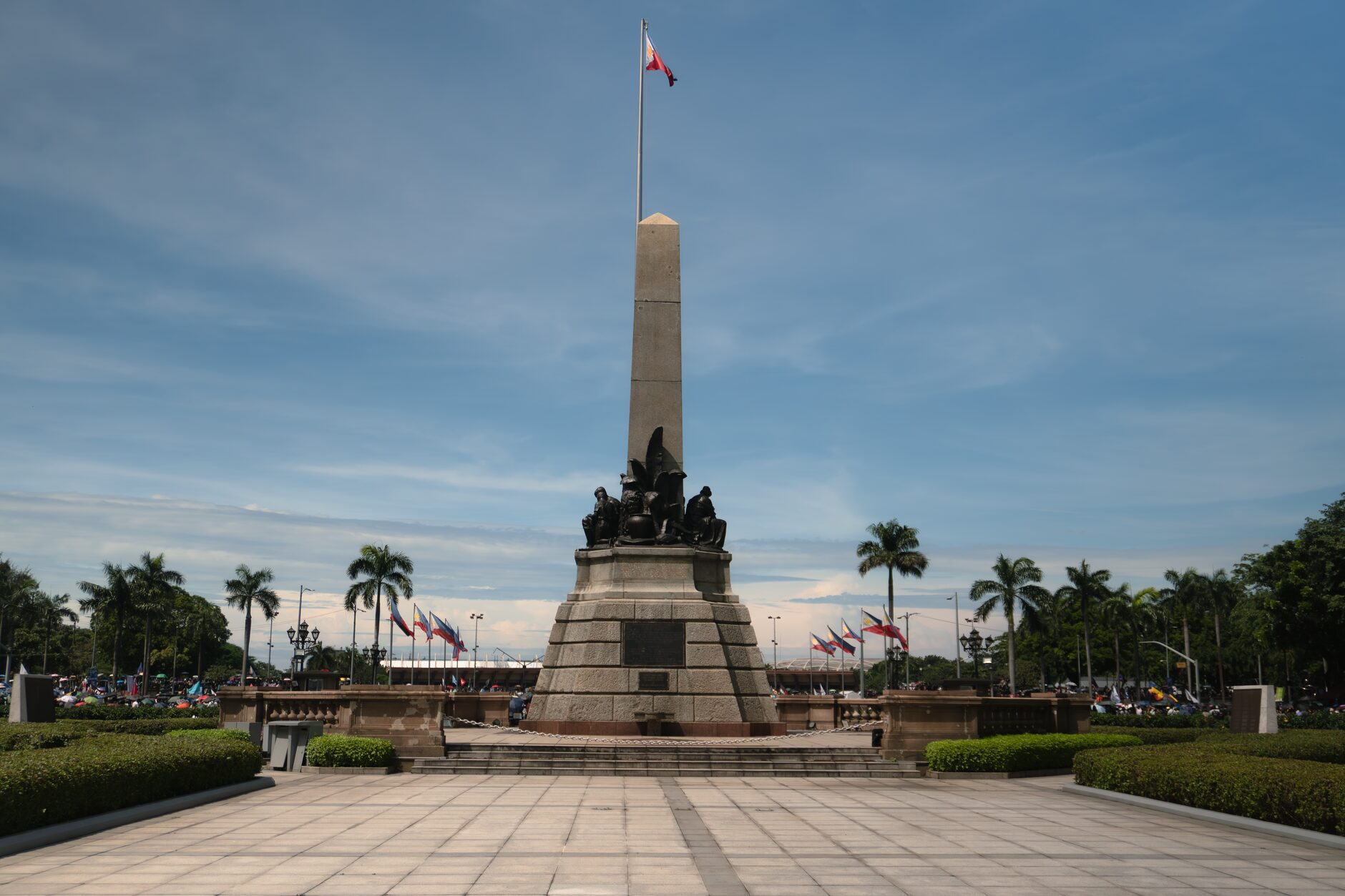
PM Modi Philippines visit marks a significant moment in diplomatic relations, as he attends the ASEAN-India and East Asia Summits in Manila.
Overview of PM Modi’s Visit
Indian Prime Minister Narendra Modi has arrived in the Philippines to participate in the ASEAN-India and East Asia Summits held in Manila. This visit marks a significant engagement with the Southeast Asian nations, highlighting India’s commitment to strengthening its ties within the region.
During his visit, PM Modi is expected to focus on several key areas:
- Economic Cooperation: Enhancing trade relations and investment opportunities between India and ASEAN nations.
- Security Collaboration: Addressing regional security concerns and promoting stability in the Indo-Pacific region.
- Cultural Exchange: Strengthening people-to-people connections through cultural programs and educational initiatives.
This visit is seen as a pivotal moment in India’s foreign policy, as it seeks to deepen its engagement with ASEAN, an essential partner in regional development. With increasing geopolitical tensions, PM Modi’s Philippines visit could be the best move for ASEAN, fostering greater collaboration and understanding among member states.
Importance of ASEAN-India Relations
The relationship between ASEAN and India has grown significantly over the past few decades, marking a pivotal alliance in the region. PM Modi’s Philippines visit reinforces this partnership, highlighting the importance of collaborative efforts in addressing regional challenges.
ASEAN-India relations are underscored by several key aspects:
- Economic Cooperation: Trade between ASEAN countries and India has expanded, facilitating mutual growth and investment opportunities.
- Cultural Ties: Shared historical and cultural connections foster deeper understanding and cooperation among the member nations.
- Security Collaboration: Joint initiatives in combating terrorism, piracy, and other security threats have strengthened regional stability.
- Environmental Initiatives: Collaborative efforts in tackling climate change and promoting sustainable development are crucial for both parties.
In summary, PM Modi’s Philippines visit serves as a catalyst for enhancing ASEAN-India relations, potentially paving the way for greater cooperation in various sectors. As both regions navigate an evolving geopolitical landscape, this visit could be a defining moment for future partnerships.
Key Topics at the East Asia Summit
During PM Modi’s Philippines visit, significant discussions were held at the East Asia Summit, focusing on various topics crucial for regional stability and cooperation. The summit served as a platform for leaders to exchange views on critical issues affecting the ASEAN region.
- Regional Security: Emphasis was placed on enhancing security cooperation among member states to combat terrorism and maritime threats.
- Economic Collaboration: Leaders explored avenues for strengthening economic ties, particularly in trade and investment, to boost growth within the ASEAN framework.
- Climate Change: The importance of collective action against climate change was highlighted, with discussions on sustainable development goals.
- Digital Connectivity: The summit addressed the need for improved digital infrastructure to foster innovation and connectivity in the region.
PM Modi’s Philippines visit also underscored India’s commitment to ASEAN, as he advocated for deeper engagement in these areas, aiming to enhance cooperation and address shared challenges faced by the member nations.
Impacts on Regional Cooperation
PM Modi’s Philippines visit marks a significant moment for regional cooperation among ASEAN nations. By participating in both the ASEAN-India and East Asia Summits, he aims to strengthen ties and address pressing issues faced by the region.
The visit comes at a time when ASEAN countries are seeking to enhance collaboration on various fronts, including:
- Trade and Economic Integration: Boosting economic partnerships to create a more resilient supply chain.
- Security and Defense: Addressing security concerns, particularly in the South China Sea, and promoting joint military exercises.
- Climate Change: Collaborating on sustainable development initiatives to combat environmental challenges.
Furthermore, PM Modi’s emphasis on people-to-people connections can enhance cultural exchanges, fostering a deeper understanding among nations. By engaging directly with ASEAN leaders, the visit underscores India’s commitment to regional stability and prosperity. The outcomes of the discussions during his visit may redefine the future of ASEAN-India relations, making the PM Modi Philippines visit a pivotal moment for regional cooperation.
Reactions to Modi’s Diplomatic Efforts
PM Modi’s Philippines visit has elicited a range of reactions from political analysts, regional leaders, and the public. Many view his engagement with ASEAN as a strategic move to strengthen India’s influence in Southeast Asia.
- Support for Enhanced Ties: Some experts laud Modi’s efforts, suggesting that deepening ties with ASEAN is crucial for India’s geopolitical strategy. They believe it will bolster economic collaborations and security partnerships.
- Concerns Over Implementation: Conversely, critics express skepticism regarding the tangible outcomes of such diplomatic efforts. They argue that while the intention is commendable, past initiatives have often lacked effective execution.
- Public Sentiment: The public reaction is mixed, with many citizens hopeful about improved trade relations, while others remain cautious, questioning how Modi’s Philippines visit will address pressing local issues.
- Regional Dynamics: Additionally, some analysts point out that the evolving dynamics in the South China Sea may overshadow the discussions at the summits, impacting the effectiveness of Modi’s outreach.
Overall, PM Modi’s Philippines visit is seen as a significant step in India’s diplomatic efforts within ASEAN, though opinions on its potential success vary widely.
Future Prospects for India-Philippines Ties
The recent PM Modi Philippines visit has opened avenues for strengthening bilateral ties between India and the Philippines. As both nations navigate the complexities of regional geopolitics, their partnership could play a pivotal role in shaping future collaborations.
One key area for potential growth is in trade and investment. With the Philippines seeking to enhance its economic landscape, India can offer technological support and investment opportunities in sectors such as information technology, agriculture, and renewable energy. This synergy could boost economic growth for both countries.
Additionally, defense cooperation presents another promising avenue. As regional tensions rise, a strategic partnership in defense could enhance security for both nations, fostering stability in the Indo-Pacific region.
Furthermore, cultural exchanges and people-to-people connections can deepen mutual understanding. Initiatives that promote tourism, education, and cultural ties will enrich the relationship and provide a more holistic approach to diplomacy.
In conclusion, the future of India-Philippines ties looks promising, with the PM Modi Philippines visit serving as a catalyst for deeper engagement.
The PM Modi Philippines visit has sparked discussions about its potential impact on regional cooperation within ASEAN. Many analysts believe that the PM Modi Philippines visit could strengthen ties between India and Southeast Asian nations.
Photo by Kahn Ilagan on Pexels