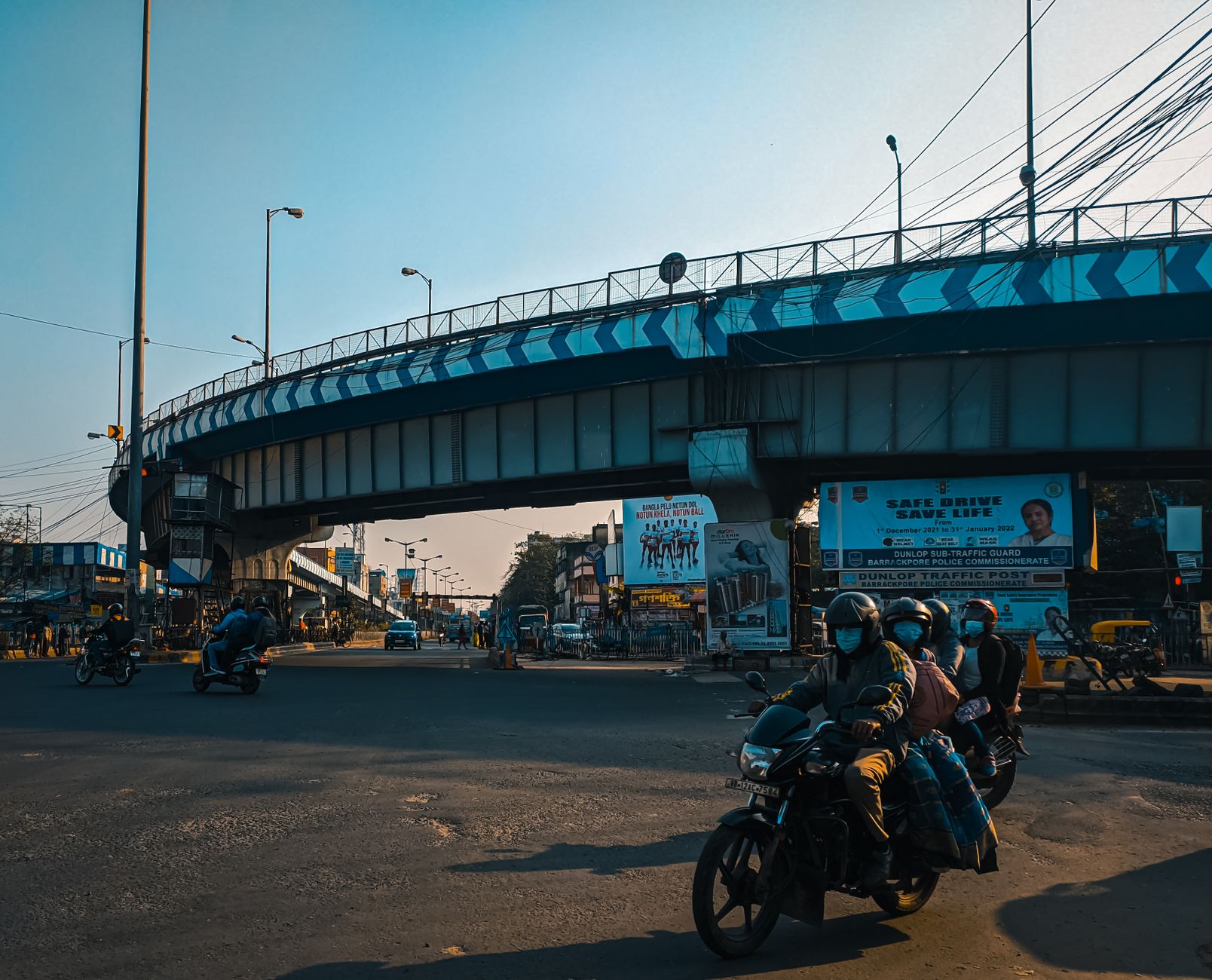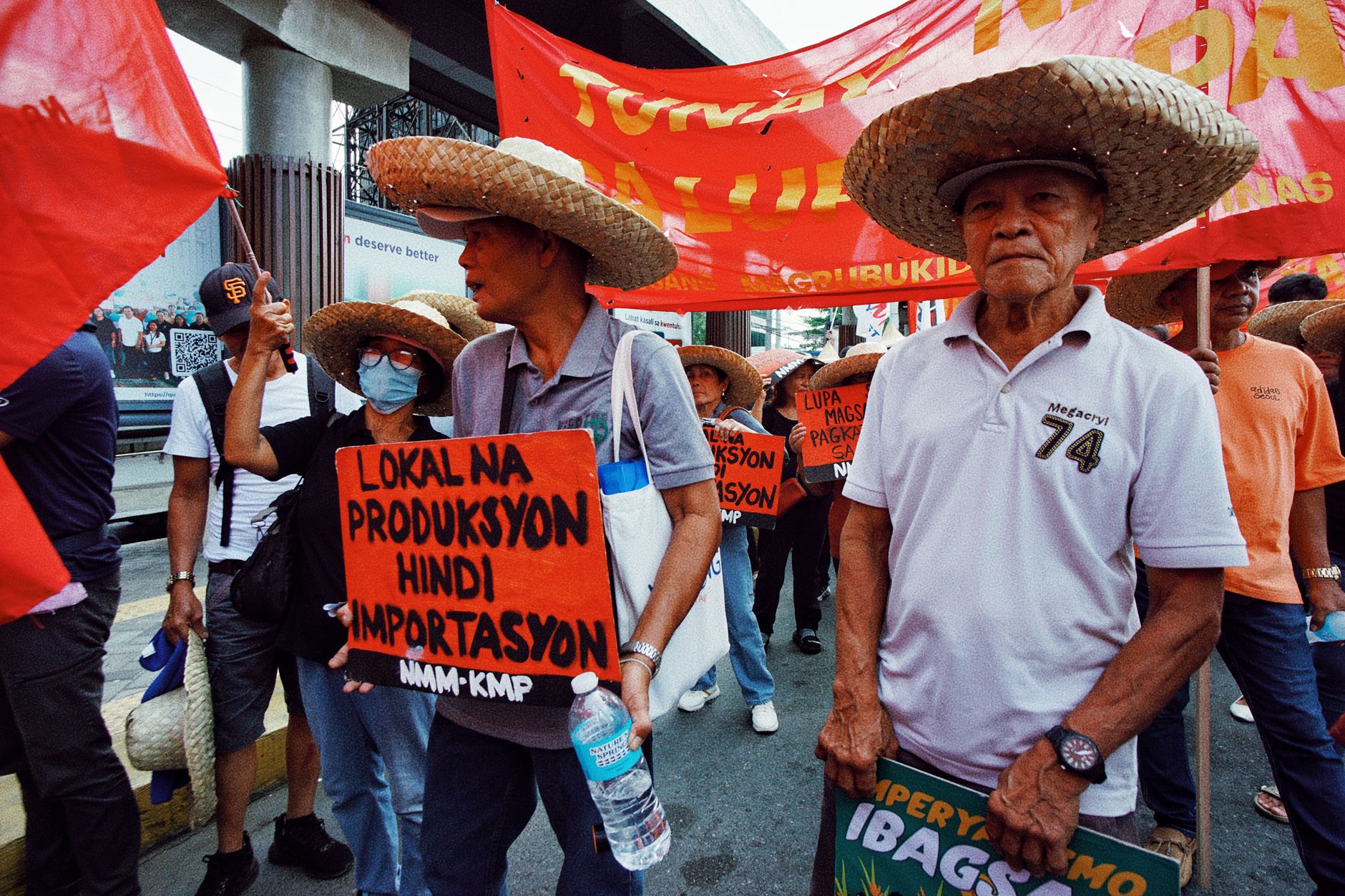
Farmers protest November 26 as SKM calls on them to return to the streets, highlighting the frustration over 1,800 days without promises kept.
Background of the Farmers Movement
The farmers’ protest, which intensified in 2020, has become a symbol of resistance against government policies perceived as unfavorable to the agricultural community. The movement has seen farmers from various states unite under the umbrella of the Samyukt Kisan Morcha (SKM). As they prepare for a significant demonstration on November 26, it is essential to reflect on the reasons that led to this ongoing struggle.
Over the past few years, farmers have raised concerns about several key issues:
- Minimum Support Price (MSP): Farmers demand a legally guaranteed MSP to ensure they receive fair compensation for their produce.
- Agricultural Laws: The controversial farm laws implemented in 2020 sparked widespread protests, leading to demands for their repeal.
- Debt and Financial Stress: Many farmers are grappling with mounting debts, exacerbated by low crop prices and unpredictable weather patterns.
- Land Rights: There is a growing fear among farmers regarding land acquisitions and the potential loss of their livelihoods.
As the anniversary of the protest approaches, the farmers’ resolve remains strong, underscoring their commitment to fighting for their rights and livelihoods on November 26.
Reasons for the Protest
The upcoming farmers protest on November 26 has been organized for several critical reasons that resonate deeply within the agricultural community. After 1,800 days of ongoing struggle, farmers feel that their demands have largely been ignored by the government.
One primary reason for the protest is the lack of progress on key legislative promises. Farmers are frustrated that many of their concerns regarding minimum support prices and agricultural reforms remain unresolved.
Additionally, the farmers are protesting against:
- Increased costs of production: Rising prices of fertilizers and seeds have severely impacted their profits.
- Land acquisition policies: The farmers are apprehensive about government policies that threaten their land rights.
- Debt burden: Many farmers continue to face crippling debts, leading to economic instability.
- Climate change challenges: Unpredictable weather patterns have made farming increasingly difficult, prompting demands for better support systems.
As the farmers prepare for the protest on November 26, their message is clear: they seek accountability and a commitment to their rights and livelihoods.
SKM’s Call to Action
The Samyukt Kisan Morcha (SKM), a coalition of farmers’ unions, has issued a fervent call to action, urging farmers to return to the streets on November 26. This date marks a significant milestone, as it is the anniversary of their ongoing struggle for agricultural rights and justice. The SKM has emphasized that after 1,800 days of protests, their demands remain unfulfilled, leading to a renewed push for mobilization.
Farmers are encouraged to join the protest to highlight several key issues that have yet to be addressed:
- Implementation of Minimum Support Price (MSP): Farmers are demanding a legally guaranteed MSP for all crops.
- Withdrawal of Cases: The SKM is calling for the withdrawal of legal cases against protesting farmers.
- Compensation for Losses: They seek fair compensation for losses incurred during the protests and from natural disasters.
- Land Rights: Protecting farmers’ land from acquisition without adequate compensation remains a top priority.
The SKM believes that the upcoming protest on November 26 will reignite public awareness and pressure the government to take immediate action on these pressing issues.
Government Response to Protests
The government’s response to the farmers’ protest has been met with significant criticism and skepticism. Despite numerous dialogues, many farmers believe that their concerns have not been adequately addressed. As the farmers protest November 26 approaches, the Samyukt Kisan Morcha (SKM) has highlighted the lack of action from the government regarding promises made during previous negotiations.
In recent statements, government officials have expressed their commitment to dialogue, yet farmers remain unconvinced. The SKM has accused the administration of dragging its feet while essential issues such as fair pricing, land rights, and agricultural reforms remain unresolved.
Furthermore, the farmers’ representatives argue that the government’s measures have been superficial, failing to tackle the root causes of their grievances. Many feel that the government has prioritized political expediency over genuine agricultural reform.
As tensions rise ahead of the planned protests, the SKM is urging farmers to unite once again to demand transparency and accountability. The upcoming demonstrations are not just a call to action but a reminder of the ongoing struggle for equitable policies in the agricultural sector.
Impact on Agriculture
The ongoing farmers protest on November 26 has significant implications for agriculture in the region. Many farmers feel that their livelihoods are jeopardized by policies that do not address their needs and concerns. The impact of these protests can be observed in various sectors:
- Supply Chain Disruptions: The protests have led to blockades and disruptions, affecting the supply of essential agricultural products. This has resulted in increased prices for consumers and losses for farmers.
- Market Access: With farmers taking to the streets, access to markets has diminished. Many farmers are unable to sell their produce, leading to waste and economic strain.
- Emotional and Mental Well-being: The prolonged nature of the farmers protest has taken a toll on the mental health of many in the agricultural community. The uncertainty surrounding their futures creates a stressful environment.
- Policy Attention: The protests have forced policymakers to take notice of the farmers’ plights. While there has been little progress, the ongoing demonstrations keep agricultural issues in the public eye.
As the farmers protest on November 26 continues, the repercussions on agriculture remain a critical concern for both farmers and consumers alike.
Future of Farmers’ Rights
The future of farmers’ rights remains a pressing concern as the anniversary of the farmers protest on November 26 approaches. Despite the passage of time, many farmers feel their demands have not been adequately addressed, leading to a resurgence in activism.
The Samyukt Kisan Morcha (SKM), representing various farmer unions, emphasizes the importance of safeguarding farmers’ livelihoods and ensuring equitable policies. They argue that the lack of genuine dialogue with the government has perpetuated a sense of disillusionment among the farming community.
Key issues at stake include:
- Minimum Support Price (MSP): Farmers are demanding a legal guarantee for MSP to protect their earnings.
- Land Rights: Many farmers seek more robust protections for their land against encroachments and corporate takeover.
- Environmental Policies: There is a growing call for sustainable agricultural practices that prioritize ecological balance.
The upcoming protest on November 26 is not just a reminder of the past struggles but also a reaffirmation of farmers’ commitment to their rights and a call for substantive change in agricultural policies.
The farmers protest November 26 was fueled by longstanding grievances over agricultural policies and market regulations. Many farmers believe that the government’s decisions directly threaten their livelihoods, prompting them to take a stand during the farmers protest November 26.
Photo by Mico Medel on Pexels