
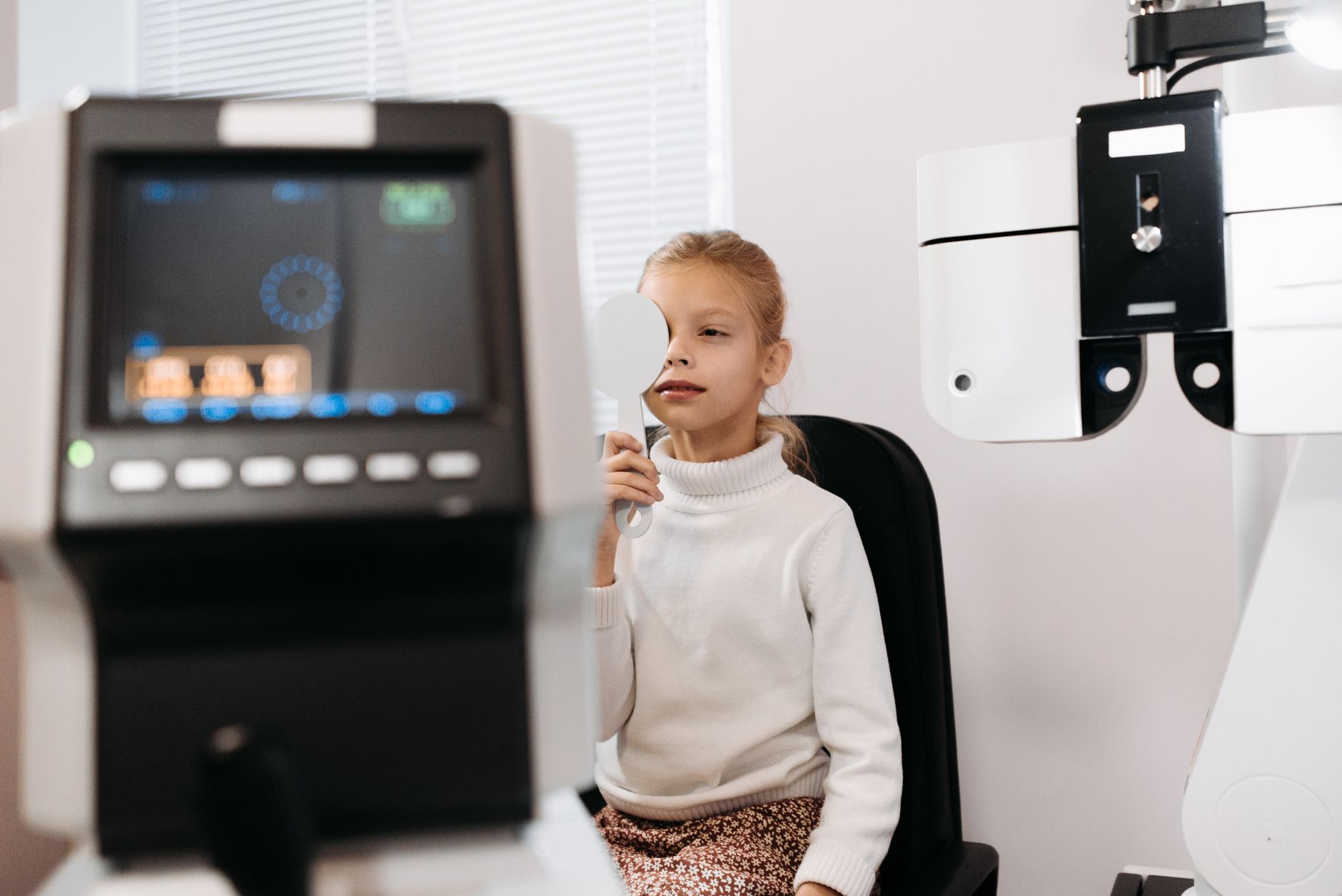
The glaucoma detection framework is revolutionizing how hospitals diagnose this eye condition. By utilizing advanced neuro-symbolic techniques, it enhances accuracy in interpreting fundus images.
What is the glaucoma detection framework?
The glaucoma detection framework is an innovative approach designed to enhance the identification and monitoring of glaucoma through advanced imaging techniques. By leveraging a combination of neuro-symbolic artificial intelligence algorithms and medical imaging, this framework aims to provide accurate diagnostics for patients across various healthcare institutions.
This framework utilizes fundus images, which are detailed photographs of the interior of the eye, to detect early signs of glaucoma. The neuro-symbolic element refers to the integration of machine learning and symbolic reasoning, allowing for a more sophisticated analysis of visual data. This dual approach not only improves detection rates but also aids in generating actionable insights for clinicians.
Key features of the glaucoma detection framework include:
- Cross-Hospital Capability: Facilitates collaboration and data sharing between different medical facilities.
- Enhanced Accuracy: Utilizes state-of-the-art algorithms to minimize false positives and negatives.
- Real-Time Analysis: Provides immediate feedback to healthcare providers, allowing for quicker intervention.
In summary, the glaucoma detection framework represents a significant advancement in ophthalmic care, potentially transforming how glaucoma is detected and managed.
How does it work?
The glaucoma detection framework operates by integrating advanced imaging techniques with artificial intelligence to enhance the accuracy of diagnosis. This innovative system analyzes fundus images, which are detailed pictures of the interior surface of the eye, to identify signs of glaucoma, a leading cause of blindness.
The process begins with the acquisition of high-resolution fundus images, which are then processed using deep learning algorithms. These algorithms are trained to recognize patterns and anomalies that may indicate the presence of glaucoma. The framework employs a neuro-symbolic approach, combining neural networks with symbolic reasoning to improve interpretability and decision-making.
Key components of the glaucoma detection framework include:
- Image Preprocessing: Enhancing the quality of fundus images to ensure accurate feature extraction.
- Feature Extraction: Identifying critical features related to the optic nerve head and retinal nerve fiber layer.
- Classification: Using machine learning models to classify the images as normal or glaucomatous.
- Cross-Hospital Learning: Facilitating knowledge sharing across different hospitals to improve the robustness of the system.
By harnessing this technology, the glaucoma detection framework aims to provide timely and reliable assessments, ultimately aiding clinicians in making informed decisions for patient care.
Benefits of using a neuro-symbolic approach
The implementation of a neuro-symbolic approach in the glaucoma detection framework offers several significant benefits that enhance its effectiveness and reliability. This hybrid methodology combines the strengths of symbolic reasoning with deep learning, resulting in a more robust system for diagnosing glaucoma.
- Improved Accuracy: By integrating symbolic reasoning, the framework can interpret complex relationships within the data, leading to higher diagnostic accuracy compared to traditional machine learning methods.
- Explainability: One of the key advantages of a neuro-symbolic framework is its ability to provide explanations for its predictions. This transparency is crucial in clinical settings, where understanding the rationale behind a diagnosis can influence treatment decisions.
- Adaptability: The framework can be adapted to different clinical environments, allowing for effective cross-hospital glaucoma detection from fundus images. This adaptability enhances its utility in diverse medical settings.
- Data Efficiency: Neuro-symbolic approaches require less labeled data to achieve high performance, making them particularly valuable in scenarios where annotated medical images are scarce.
Overall, leveraging a neuro-symbolic approach in the glaucoma detection framework represents a promising advancement in ophthalmology, potentially transforming how clinicians identify and manage this sight-threatening condition.
Challenges in glaucoma detection
Despite the promise of the glaucoma detection framework, several challenges remain that could hinder its widespread adoption. The complexity of integrating advanced technologies into existing healthcare systems poses a significant hurdle. Many hospitals still rely on traditional diagnostic methods, which may not easily accommodate new frameworks.
Another issue is the variability in fundus image quality across different hospitals. Inconsistent imaging techniques and equipment can lead to disparities in the effectiveness of the glaucoma detection framework. This variability can impact the accuracy of diagnoses and contribute to misinterpretations of the data.
Additionally, the need for extensive training and understanding of the neuro-symbolic approach is critical. Healthcare professionals must be adequately educated on how to interpret results generated by the framework. A lack of training may result in underutilization or misapplication of the technology, ultimately affecting patient outcomes.
Moreover, the ethical implications surrounding data privacy and security cannot be overlooked. Ensuring that patient data is handled with the utmost care remains a fundamental challenge in implementing any new medical technology, including a glaucoma detection framework.
In summary, while the glaucoma detection framework presents innovative solutions, addressing these challenges is essential for its successful deployment in clinical settings.
Comparative analysis with traditional methods
The emergence of a glaucoma detection framework has sparked considerable interest, particularly when compared to traditional methods used in diagnosing this eye condition. Traditional approaches often rely on subjective evaluations of visual field tests and intraocular pressure measurements, which can vary significantly among practitioners.
In contrast, the neuro-symbolic framework combines deep learning techniques with symbolic reasoning, offering a more standardized and objective assessment of fundus images. This technology is designed to minimize human error and enhance diagnostic accuracy.
Some key points in this comparative analysis include:
- Accuracy: Traditional methods can sometimes lead to misdiagnosis due to their reliance on subjective interpretation, while the glaucoma detection framework provides a data-driven analysis that increases diagnostic precision.
- Efficiency: The automated nature of the neuro-symbolic approach significantly reduces the time required for analysis, permitting quicker patient evaluations in clinical settings.
- Accessibility: This framework can potentially be implemented in various healthcare settings, including those with limited resources, thereby broadening access to reliable glaucoma detection.
Overall, while traditional methods have served a critical role in glaucoma detection, the innovative framework offers distinct advantages that may redefine the landscape of ophthalmic diagnostics.
Future implications for healthcare
The future implications for healthcare regarding the glaucoma detection framework are promising and multifaceted. As technology continues to advance, the integration of neuro-symbolic approaches in medical diagnostics may significantly enhance the accuracy and efficiency of identifying glaucoma. This framework leverages both neural networks and symbolic reasoning, providing a comprehensive analysis of fundus images.
One major implication is the potential for improved early detection, which is crucial in preventing vision loss. By employing this framework across various healthcare settings, practitioners can achieve more consistent results, regardless of the location or resources available. This could lead to a standardized method for diagnosing glaucoma, reducing discrepancies and improving patient outcomes.
Moreover, the scalability of the glaucoma detection framework could facilitate greater access to eye care services, particularly in underserved regions. The ability to analyze images remotely and swiftly may enable healthcare providers to reach more patients and offer timely interventions.
However, it is essential to consider the ethical aspects of implementing such technologies. Ensuring equitable access and safeguarding patient data will be critical as the healthcare industry moves towards this innovative approach in glaucoma detection.
Photo by Pavel Danilyuk on Pexels
Sources
Pelosi advises Stevens: The Right Call for Democrats · Freezing Cold Alert: Northeast Braces for Major Snowstorm · Mercedes-Benz CLK GTR: The Wrong Car with Proven Style