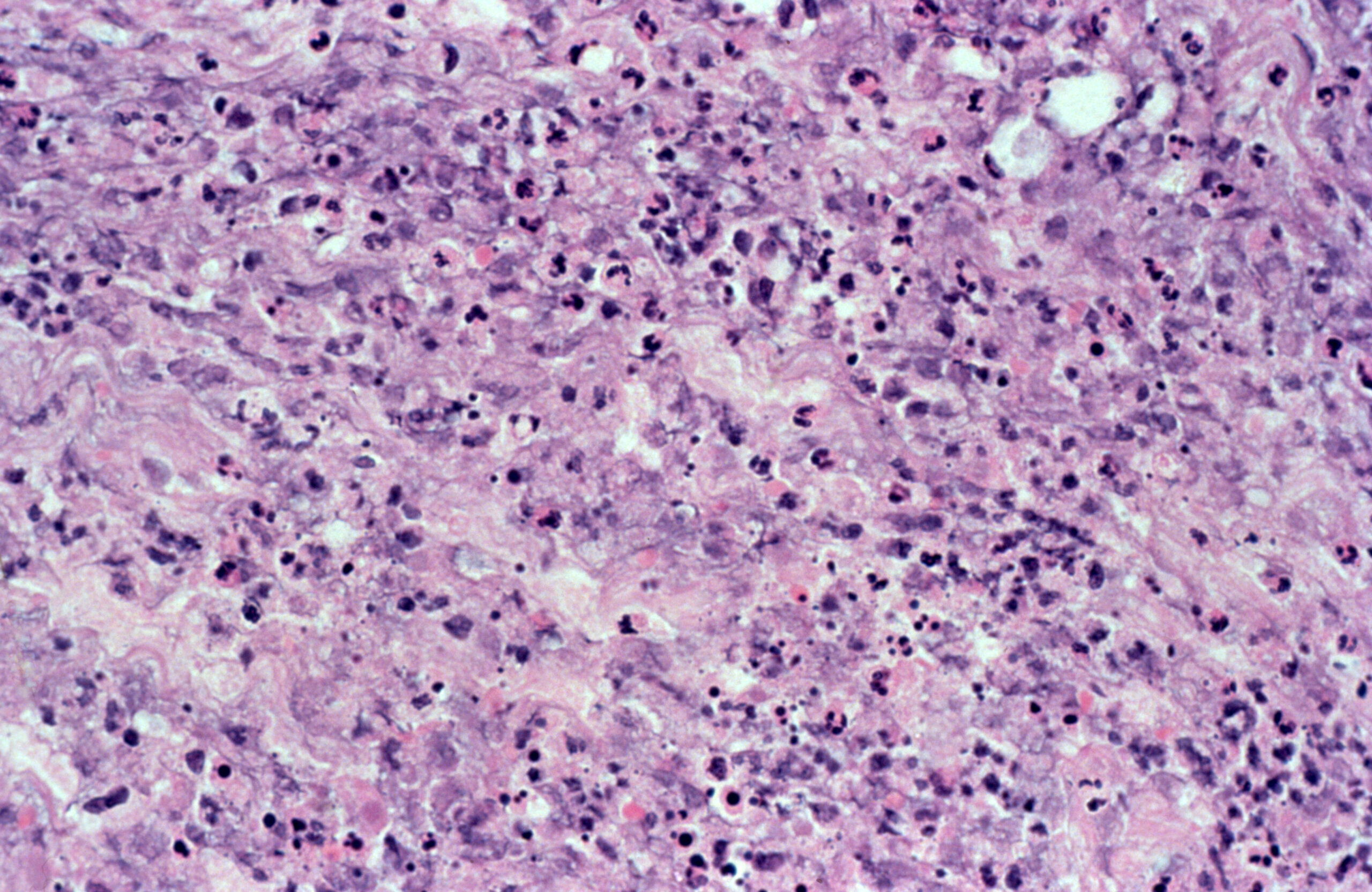
Erythema Nodosum Leprosum is a complex condition that requires careful post-multidrug therapy considerations. This narrative review delves into the histopathology and treatment implications.
Understanding Erythema Nodosum Leprosum
Erythema Nodosum Leprosum (ENL) is a significant complication associated with leprosy, characterized by painful, inflammatory nodules that appear on the skin. This condition often arises during or after the treatment of leprosy, particularly in patients undergoing multidrug therapy. The pathophysiology of ENL is linked to immune-mediated reactions, where the body responds excessively to the Mycobacterium leprae bacteria, leading to tissue damage and inflammation.
ENL can present with a range of symptoms, including:
- Painful skin nodules: These can vary in size and may occur in clusters.
- Fever: Many patients experience systemic symptoms such as fever during flare-ups.
- Joint pain: Inflammation can extend beyond the skin, affecting joints and causing discomfort.
Treatment for Erythema Nodosum Leprosum typically involves the use of corticosteroids to reduce inflammation and manage symptoms. Other immunosuppressive agents may also be considered in severe cases. Monitoring and adjusting treatment protocols is essential, especially in patients who have undergone multidrug therapy, to ensure optimal management of ENL and improve overall patient outcomes.
Post-Multidrug Therapy Effects
The effects of post-multidrug therapy on Erythema Nodosum Leprosum (ENL) present significant considerations for both patients and healthcare providers. After completing multidrug therapy for leprosy, individuals may experience varying degrees of ENL, which can impact their quality of life and overall health outcomes.
Clinical observations indicate that the timing and severity of ENL can differ among patients. Some common post-multidrug therapy effects include:
- Increased Inflammatory Response: Patients may exhibit heightened inflammatory responses, leading to painful nodules and skin lesions.
- Recurrence of Symptoms: In certain cases, symptoms of ENL may re-emerge, necessitating further medical intervention.
- Long-term Skin Changes: Skin may remain sensitive or discolored even after the resolution of nodules.
Management strategies post-multidrug therapy often include corticosteroids and supportive care to alleviate discomfort. Research underscores the importance of ongoing monitoring and individualized treatment plans to address the complexities associated with Erythema Nodosum Leprosum.
Ultimately, understanding the post-multidrug therapy effects can aid in enhancing patient outcomes and providing comprehensive care for those affected by leprosy.
Histopathological Insights
The histopathological examination of Erythema Nodosum Leprosum reveals distinctive features that are crucial for understanding its pathogenesis and treatment outcomes. This condition is characterized by the presence of specific dermal infiltrates that are typically observed in biopsy samples. Key findings include:
- Granulomatous Inflammation: A prominent feature, granulomas are formed due to the immune response to mycobacterial antigens.
- Vascular Changes: The presence of vasculitis can contribute to tissue damage and exacerbate symptoms, revealing the complex interplay between inflammation and vascular pathology.
- Neutrophilic Infiltration: This is often noted in acute lesions, indicating ongoing inflammatory processes associated with the disease.
- Collagen Degeneration: Changes in the dermal collagen structure may lead to the characteristic nodules and skin lesions seen in patients.
Post-multidrug therapy, these histopathological features may evolve, highlighting the need for continuous monitoring. Understanding these insights is essential for dermatologists and infectious disease specialists in designing effective treatment plans, particularly for managing residual symptoms and preventing recurrence.
Recent Advances in Treatment
Recent advances in the treatment of Erythema Nodosum Leprosum (ENL) have focused on improving patient outcomes and minimizing the recurrence of symptoms. Research has highlighted several promising therapeutic options that demonstrate efficacy in managing this challenging condition.
- Corticosteroids: The use of corticosteroids remains a cornerstone in the management of ENL, effectively reducing inflammation and controlling symptoms. Recent studies suggest optimizing dosage to enhance therapeutic effects while minimizing side effects.
- Thalidomide: This medication has shown significant benefits in treating ENL. Its immunomodulatory properties help reduce the severity and frequency of episodes, although close monitoring for potential side effects is essential.
- Other immunomodulators: Newer agents such as lenalidomide and pentoxifylline are being investigated for their potential role in treating ENL. Preliminary results indicate that these may offer alternatives for patients who cannot tolerate traditional therapies.
- Biologics: Targeted therapies that modulate specific immune pathways are under exploration, aiming to provide a more tailored approach to treatment.
Overall, these advances underscore the importance of ongoing research to refine treatment strategies for Erythema Nodosum Leprosum and improve patient quality of life.
By SB Lucas via Openverse