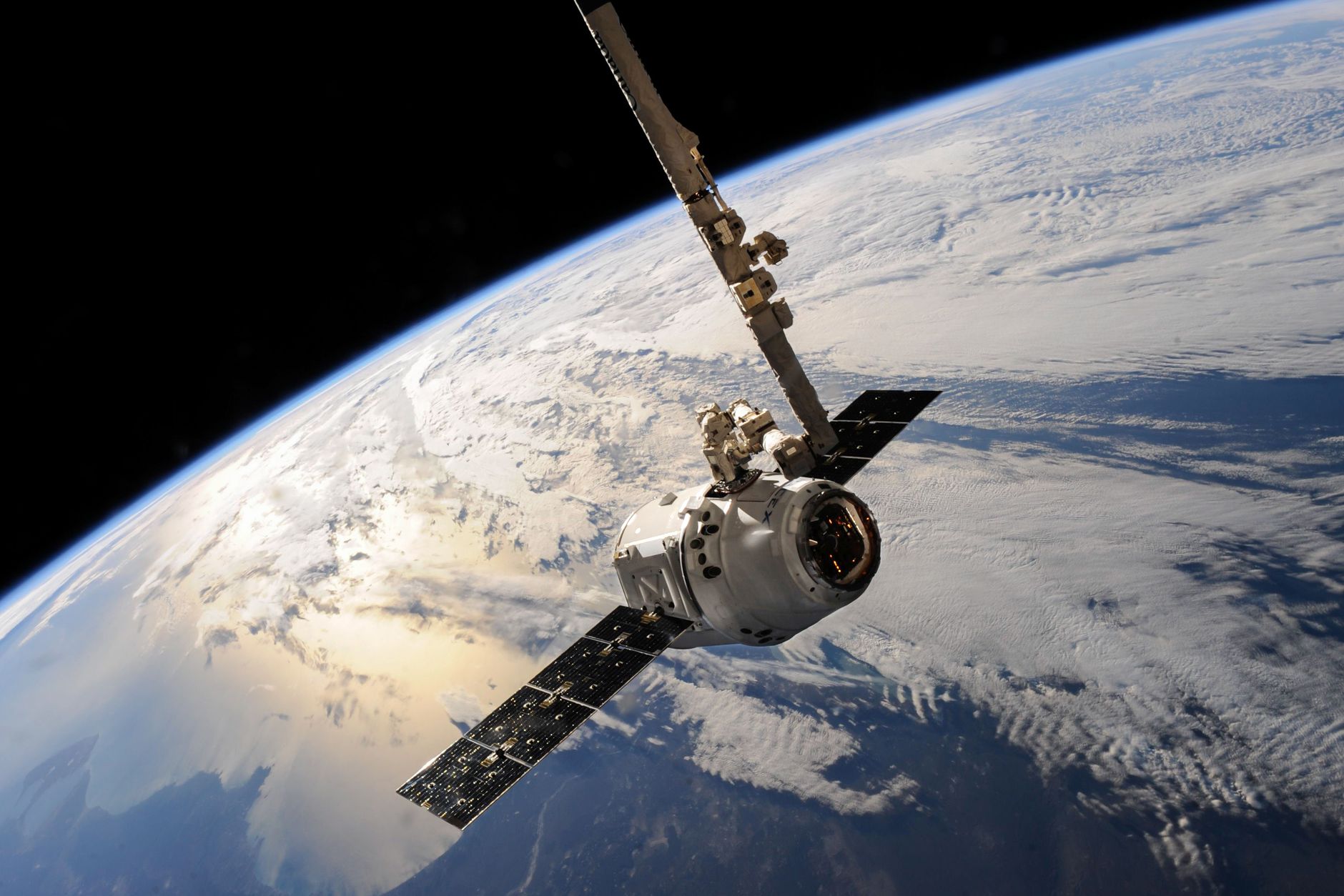
El Niño emergency declaration is now in effect as Governor Newsom responds to potential severe weather impacts along the California coast. Residents are urged to prepare for possible storms and flooding.
Understanding El Niño’s Impact
The recent El Niño emergency declaration by Governor Newsom has raised concerns among Californians about the potential impact of this weather phenomenon. El Niño, characterized by warmer ocean temperatures in the Pacific, can lead to increased rainfall and severe storms across the state.
In understanding El Niño’s impact, it is essential to recognize its historical significance. Past events have resulted in:
- Severe flooding: El Niño can cause heavy precipitation, overwhelming drainage systems and leading to widespread flooding.
- Increased mudslides: With saturated soil, the risk of mudslides and landslides rises, particularly in hilly or mountainous areas.
- Coastal erosion: The powerful storms associated with El Niño can erode beaches and cliffs, threatening coastal infrastructure.
In addition to these immediate dangers, the long-term effects on agriculture, water supply, and ecosystems must be considered. As the state braces for the potential challenges posed by this weather pattern, residents are urged to prepare adequately and stay informed about the latest developments.
Governor Newsom’s Response
In response to the impending threats posed by the El Niño phenomenon, Governor Gavin Newsom has declared a state of emergency, urging Californians to prepare for severe weather conditions. This El Niño emergency declaration comes as state officials assess the potential for heavy rainfall, flooding, and landslides along the coastline.
During a recent press conference, Governor Newsom emphasized the need for proactive measures, stating, “This El Niño event could bring unprecedented challenges to our communities. We must be ready.” He encouraged residents to stay informed about weather updates and to have emergency plans in place.
Key actions highlighted by the Governor include:
- Increased funding for flood response resources.
- Deployment of additional emergency personnel to high-risk areas.
- Collaboration with local governments to enhance preparedness strategies.
Residents are advised to stock up on essential supplies, including food, water, and medications. Governor Newsom reiterated that “California’s resilience will be tested,” urging collaboration among communities to mitigate risks associated with this potentially devastating weather event.
What Residents Should Know
As California braces for the potential impacts of the El Niño emergency declaration, residents are urged to stay informed and prepared. This weather phenomenon can bring heavy rainfall, flooding, and severe storms, which may disrupt daily life and pose safety risks.
Here are key points residents should keep in mind:
- Stay Updated: Monitor local news and weather updates to track storm developments and safety advisories.
- Emergency Kits: Assemble emergency kits containing essential supplies such as food, water, medications, and flashlights.
- Home Preparations: Secure outdoor items that could become hazardous in strong winds and check drainage systems to prevent flooding.
- Evacuation Plans: Determine safe routes and locations for evacuation if necessary, especially for those in flood-prone areas.
- Community Resources: Utilize local resources, including shelters and assistance programs, in case of severe weather impacts.
By understanding the risks associated with the El Niño emergency declaration and taking proactive measures, residents can better protect themselves and their families during this potentially challenging season.
Historical Context of El Niño
The phenomenon of El Niño has long been a significant factor in California’s climate, often bringing heavy rainfall and severe storms. Historically, notable El Niño events have resulted in a range of impacts, from flooding to mudslides, dramatically affecting communities and ecosystems across the state.
Records show that the strongest El Niño occurrences, such as those in 1982-83 and 1997-98, led to catastrophic weather patterns that reshaped the landscape. These events prompted emergency measures, including the recent El Niño emergency declaration by Governor Newsom, aimed at mitigating potential damage this season.
As California experiences fluctuating climate patterns, understanding the historical context of El Niño becomes crucial for preparedness. Key lessons from past events emphasize the importance of infrastructure resilience and community readiness, particularly in vulnerable regions.
Residents are urged to stay informed and prepared for possible emergencies, as the state braces for potential impacts. The interplay between climate science and public policy continues to evolve, underscoring the need for proactive measures in the face of unpredictable weather patterns.
With El Niño’s history of bringing unprecedented weather, California remains vigilant as it navigates the challenges ahead.
Preparing for Severe Weather
As California braces for the potential effects of the El Niño emergency declaration, residents and officials alike are focused on preparing for severe weather. The National Oceanic and Atmospheric Administration (NOAA) has warned that this year’s El Niño could bring unprecedented rainfall and storm activity to the state.
In light of these warnings, community organizations and local governments are implementing several strategies to ensure safety and readiness:
- Emergency Kits: Residents are encouraged to assemble emergency kits that include essential supplies such as water, non-perishable food, flashlights, batteries, and first aid items.
- Evacuation Plans: Families should create and review evacuation plans, considering multiple routes and safe destinations.
- Home Preparations: Homeowners are advised to clear gutters, secure outdoor items, and reinforce structures to withstand potential flooding and high winds.
- Stay Informed: Keeping up with local weather forecasts and following official announcements will be crucial as conditions evolve.
While the El Niño emergency declaration has raised concerns, proactive measures can help mitigate risks and ensure community safety during this tumultuous weather pattern.
Expected Timeline of Storms
As California braces for potential severe weather, the expected timeline of storms linked to the El Niño emergency declaration is becoming clearer. Meteorologists anticipate that a series of powerful storms could begin impacting the state within the next few weeks, aligning with the peak of the wet season.
The National Weather Service has identified several key periods when heavy rainfall and strong winds are likely to occur:
- Late December 2023: Initial storms may begin to roll in, bringing increased precipitation and the possibility of localized flooding.
- Early January 2024: A stronger system is expected to develop, with forecasts indicating a significant uptick in storm intensity.
- Mid-January 2024: Continued storms may lead to cumulative rainfall totals that could exceed average seasonal amounts.
Residents are urged to stay informed through local weather updates and prepare accordingly, as these events could lead to hazardous conditions, including mudslides and power outages. The El Niño emergency declaration serves as a reminder of the unpredictability of seasonal weather patterns and the importance of community preparedness.
Photo by JuanMA . on Pexels